



Introduction
When temperatures drop across Topeka and northeast Kansas, your Hyundai needs more than a quick warm-up before heading out. Cold pavement, freezing rain, slush, snow, and ice can all reduce traction, making your tires one of the most important safety features on your vehicle.
Many drivers assume all-season tires are ready for every season, but that is not always the case. All-season tires are designed for a broad range of conditions, while winter tires are engineered specifically for cold weather, snow, and ice. If you drive frequently during winter weather, commute early in the morning, travel on rural roads, or simply want more confidence when temperatures fall, winter tires may be a smart investment.
Before the first major cold snap arrives, you can schedule a tire inspection or winter service visit through the McCarthy Hyundai of Topeka service center. Drivers can also review current service and parts specials to see available seasonal offers.
Why Winter Tires Matter for Topeka Drivers
Kansas winters can be unpredictable. One week may bring dry pavement and chilly mornings, while the next may bring freezing rain, slick intersections, snow-covered side streets, or icy bridges. Your tires are the only part of your vehicle that directly touches the road, so their condition and design have a major impact on how your Hyundai accelerates, turns, and stops.
The National Highway Traffic Safety Administration recommends preparing your vehicle before winter weather and paying close attention to tire condition and tire pressure. NHTSA also notes that winter tires may be worth considering for drivers who regularly face snow and winter conditions.
In simple terms, winter tires are built to help your vehicle maintain grip when ordinary tires may struggle. That grip can make a noticeable difference when roads are cold, wet, icy, or covered in snow.
The Science Behind Winter Tires
Winter tires are not just all-season tires with a more aggressive tread. They are engineered differently from the rubber compound to the tread pattern.
Winter Tire Rubber Stays Flexible in the Cold
As temperatures fall, tire rubber can become firmer. When a tire becomes too stiff, it may not conform to the road surface as effectively. That can reduce traction, especially during braking and cornering.
Winter tires use specialized rubber compounds designed to remain more flexible in cold temperatures. This flexibility helps the tire maintain contact with the road, which can improve grip on snow, ice, and cold pavement.
Winter Tire Tread Patterns Improve Snow and Slush Control
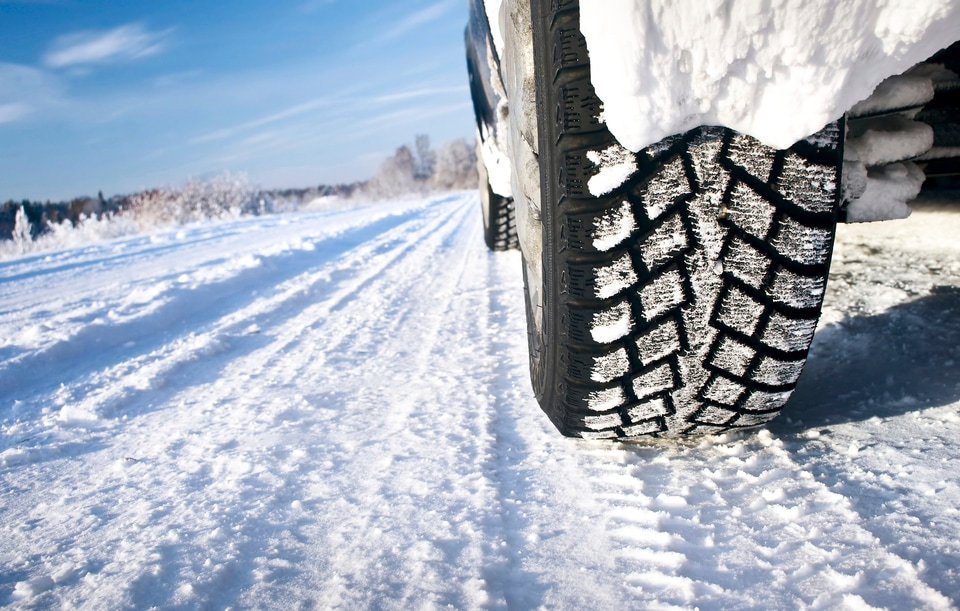
Winter tires typically feature deeper tread blocks, wider grooves, and small cuts in the tread called sipes. These features help the tire bite into snow, move slush away from the contact patch, and create more edges for traction.
That design helps support:
- Better grip on snow-covered roads
- More stable handling in cold weather
- Improved braking confidence on slick pavement
- More control when turning or changing lanes
- Better performance in slush and packed snow
All-Season Tires vs. Winter Tires
One of the most common questions drivers ask is: what is the difference between all-season tires and winter tires?
All-season tires are built for convenience. They are designed to perform reasonably well in dry, wet, and light winter conditions. For many drivers, they are a practical year-round choice. However, they are not optimized for harsh cold, heavy snow, or icy roads.
Winter tires are designed specifically for cold-weather performance. They offer stronger winter traction because their compounds and tread designs are built for snow, ice, slush, and freezing pavement.
| Feature | All-Season Tires | Winter Tires |
|---|---|---|
| Best Use | Year-round driving in mild conditions | Cold weather, snow, slush, and ice |
| Rubber Compound | Balanced for multiple temperatures | Designed to stay flexible in cold temperatures |
| Tread Design | Moderate tread for dry and wet roads | Deeper tread with biting edges for winter grip |
| Snow Traction | Suitable for light snow depending on tire condition | Designed for stronger snow and slush traction |
| Ice Performance | Limited compared to winter tires | Improved cold-weather braking and control |
Consumer Reports explains that winter tires generally provide the best available grip in winter conditions and sub-freezing temperatures. You can read more from Consumer Reports on winter tires vs. all-season tires.
Are Winter Tires Worth It for a Hyundai?
For many Hyundai drivers in Topeka, winter tires are worth considering if winter weather regularly affects your commute or travel plans. Whether you drive a Hyundai Elantra, Sonata, Tucson, Santa Fe, Palisade, Kona, or another model, the right tires can help your vehicle perform more confidently during cold-weather driving.
Winter tires may be especially helpful if you:
- Drive before roads are treated in the morning
- Commute on highways, bridges, or rural roads
- Travel during winter storms or holiday weekends
- Need extra confidence on hills, intersections, or icy parking lots
- Drive a front-wheel-drive vehicle and want better winter traction
- Have all-wheel drive but want improved stopping and turning control
It is important to remember that all-wheel drive can help with acceleration, but it does not replace tire grip when braking or turning. Even with advanced Hyundai safety features, your tires still determine how much traction your vehicle has on the road.
Winter Tires Can Help Improve Braking Confidence
Stopping distance is one of the biggest reasons drivers choose winter tires. On dry pavement, a quality set of all-season tires may feel perfectly normal. But when the road surface becomes icy, snowy, or cold and wet, tire design becomes much more important.
Winter tires are built to provide more biting edges and better cold-weather flexibility. This can help your Hyundai respond more predictably when you brake, turn, or slow down on slick roads.
No tire can eliminate the risks of winter driving. Drivers should still slow down, increase following distance, avoid sudden braking, and check road conditions before traveling. Kansas drivers can monitor current road conditions through KanDrive.
When Should You Install Winter Tires?
The best time to think about winter tires is before the first major winter storm. Waiting until snow is already in the forecast can make scheduling more difficult and may leave you driving on tires that are not ideal for the conditions.
Many drivers choose to install winter tires when temperatures are consistently cold, especially if snow, freezing rain, or icy mornings are common. A seasonal tire inspection can help you decide whether your current tires are ready for winter or whether a dedicated winter tire setup would be a better fit.
Signs Your Tires May Not Be Winter-Ready
- Tread depth is low
- Traction feels poor on wet or cold roads
- Tires show cracking, bulging, or uneven wear
- Your tire pressure warning light appears frequently
- Your vehicle slips more than expected during braking or turning
- Your current tires are several years old
If you notice any of these issues, schedule an inspection through the Hyundai service center in Topeka.
Do You Need Winter Tires If You Have All-Wheel Drive?
All-wheel drive can be helpful in winter, but it is not a substitute for proper tires. AWD can help distribute power to the wheels when accelerating, but it does not automatically improve braking distance on ice or snow. Every vehicle, including AWD models, depends on tire traction to stop and steer.
For Hyundai SUVs and crossovers such as the Tucson, Santa Fe, Palisade, Kona, and IONIQ models equipped with available traction-enhancing systems, winter tires can still make a meaningful difference in cold-weather control.
If you are shopping for a vehicle with winter-ready confidence in mind, you can browse new Hyundai vehicles in Topeka, explore used cars for sale in Topeka, or review available certified pre-owned Hyundai vehicles.
Winter Tire Maintenance Tips
Installing winter tires is only part of the equation. Proper tire maintenance helps support safety, tread life, fuel efficiency, and vehicle performance throughout the season.
Check Tire Pressure Regularly
Cold temperatures can cause tire pressure to drop. NHTSA recommends using the vehicle manufacturer’s recommended tire pressure, usually found on the driver-side door placard or in the owner’s manual, rather than the maximum pressure listed on the tire sidewall.
Rotate Tires as Recommended
Regular tire rotations help promote even wear. This is especially important if you drive often during winter, since rough pavement, potholes, and changing conditions can add stress to your tires.
Check Alignment If You Notice Pulling or Uneven Wear
If your Hyundai pulls to one side, your steering wheel is off-center, or your tires show uneven wear, an alignment inspection may be needed. Proper alignment helps your tires contact the road evenly.
Store Off-Season Tires Properly
If you switch between winter tires and all-season tires, store the off-season set in a cool, dry place away from direct sunlight. Proper storage can help protect tire rubber and extend usable life.
Pair Winter Tires With Complete Seasonal Service
Winter tires can improve traction, but your vehicle also needs other systems working properly to handle cold-weather driving. A complete winter readiness check may include:
- Battery testing
- Brake inspection
- Coolant and fluid checks
- Windshield wiper inspection
- Washer fluid top-off
- Heating and defrost system check
- Exterior light inspection
- Tire pressure and tread-depth check
Drivers can review current Hyundai service and parts specials before scheduling seasonal maintenance.
Save on Seasonal Tire Service
Preparing your Hyundai for winter should be straightforward and manageable. At McCarthy Hyundai of Topeka, drivers can visit the service department for tire inspections, tire-related maintenance, rotations, alignments, and other seasonal services.
Before your appointment, check current service and parts specials for potential savings on maintenance. If you are considering upgrading to a newer Hyundai before winter, you can also explore new Hyundai vehicle specials or learn more about Hyundai financing options.
Key Takeaways: Benefits of Winter Tires
- Winter tires are designed for cold weather, snow, ice, and slush.
- Special rubber compounds help winter tires stay more flexible in low temperatures.
- Deeper tread patterns and biting edges help improve snow and slush traction.
- All-season tires are convenient, but they are not optimized for severe winter conditions.
- All-wheel drive helps with acceleration, but winter tires still matter for braking and steering.
- Proper tire pressure, rotation, and alignment help support winter tire performance.
- A seasonal service visit can help prepare your Hyundai for safer winter driving in Topeka.
Why Choose McCarthy Hyundai of Topeka?
When winter weather arrives, you want support from a local dealership that understands Hyundai vehicles and the driving conditions around Topeka, KS. McCarthy Hyundai of Topeka is here to help drivers prepare for cold weather with tire inspections, seasonal maintenance, service support, and vehicle shopping resources in one convenient place.
Located at 2920 S Kansas Ave, Topeka, KS 66611, McCarthy Hyundai of Topeka serves local drivers with a customer-focused approach to vehicle sales, service, financing, and ownership support.
Drivers choose McCarthy Hyundai of Topeka for:
- Hyundai service support in Topeka
- Convenient access to tire and seasonal maintenance
- Service and parts specials that may help reduce maintenance costs
- A helpful team familiar with Hyundai cars, SUVs, and electrified models
- New, used, and certified pre-owned vehicle options
- Local dealership support before, during, and after the sale
You can learn more about McCarthy Hyundai of Topeka, browse new Hyundai inventory, or schedule a Hyundai test drive in Topeka.
Conclusion: Get Your Hyundai Ready Before Winter Roads Get Slick
Winter tires are one of the most practical upgrades you can make if you regularly drive in cold, snowy, icy, or slushy conditions. They are designed to provide better cold-weather traction than standard all-season tires, helping your Hyundai feel more stable and responsive when winter weather makes roads unpredictable.
Whether you are commuting through Topeka, heading out on a winter road trip, or preparing your family vehicle for daily driving, tire condition matters. A seasonal tire inspection can help you decide whether your current tires are ready for winter or whether winter tires would be a smart next step.
To prepare your Hyundai for winter, contact McCarthy Hyundai of Topeka at (785) 267-2800 or visit the McCarthy Hyundai of Topeka service center.
Frequently Asked Questions
Are winter tires worth it in Topeka, KS?
Winter tires may be worth it for Topeka drivers who regularly face snow, ice, freezing rain, or early-morning cold-weather commutes. They are designed to provide better traction and control in winter conditions than standard all-season tires.
What is the difference between winter tires and all-season tires?
Winter tires use cold-weather rubber compounds and deeper tread patterns for improved traction in snow, ice, and slush. All-season tires are designed for general year-round use but are not optimized for severe winter conditions.
Do I need winter tires if my Hyundai has all-wheel drive?
All-wheel drive can help with acceleration, but it does not replace tire traction for braking and steering. Winter tires can still improve cold-weather control on AWD Hyundai models.
When should I install winter tires?
Drivers should consider installing winter tires before consistent freezing temperatures or winter storms arrive. Scheduling early can help ensure your vehicle is ready before road conditions become difficult.
Can I use winter tires all year?
Winter tires are designed for cold-weather use. Driving on them year-round can lead to faster wear in warm temperatures and may reduce handling performance compared with tires designed for warmer weather.
How often should I check tire pressure in winter?
Check tire pressure regularly during winter, especially after major temperature changes. Always use the recommended tire pressure listed on your vehicle’s tire placard or owner’s manual.
Where can I schedule tire service for my Hyundai in Topeka?
You can schedule tire service, seasonal maintenance, and winter readiness checks through the McCarthy Hyundai of Topeka service center.

