



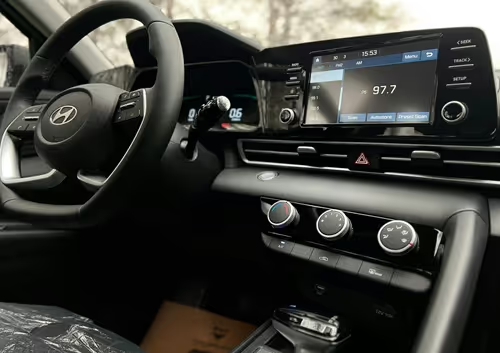
Summary: Every Hyundai dashboard warning light is your vehicle's way of communicating something important. Whether you drive a Tucson, Palisade, Elantra, or any other Hyundai model, knowing what each symbol means can be the difference between a quick fix and a costly repair. This complete guide decodes the most common Hyundai dashboard symbols and meanings so you can stay safe, informed, and in control every time you get behind the wheel. When in doubt, the service team at McCarthy Hyundai of Topeka is always ready to help.
Introduction: Why Your Dashboard Is the Most Important Display in Your Hyundai
Every journey begins the moment you start your Hyundai, but what happens when a warning light suddenly illuminates on your dashboard? For many drivers, the immediate reaction is a mix of confusion and concern. Should you pull over right now? Can you drive to work first? Is this something serious or just a reminder?
Understanding Hyundai dashboard symbols and their meanings is one of the most practical things any driver can know. Today's Hyundai vehicles, from the fuel-efficient Elantra to the family-friendly Palisade and the capable Tucson, are equipped with sophisticated onboard monitoring systems that track dozens of vehicle functions in real time. When something needs your attention, the dashboard lights up to let you know.
The good news is that not every warning light means disaster. Many are simple reminders or informational alerts that require nothing more than a quick check or a trip to the gas station. Others, however, demand immediate action to prevent serious damage to your vehicle or a safety risk on the road. Knowing the difference is exactly what this guide is for.
Let's walk through the most important Hyundai dashboard warning lights, what they mean, and what you should do when you see them.
Why Understanding Hyundai Dashboard Symbols Matters
Hyundai vehicles are engineered with monitoring systems designed to identify potential issues early, giving drivers the opportunity to take action before small problems become expensive ones. Your dashboard functions as a communication hub between you and your vehicle, and ignoring what it's telling you can have real consequences.
Knowing your dashboard warning lights allows you to:
- Protect your engine and vital systems by catching issues before they lead to breakdowns or major component failures
- Prevent unexpected mechanical failures that could leave you stranded on a Kansas highway or side street
- Enhance safety for every passenger by responding quickly to lights that indicate compromised braking, stability, or airbag systems
- Save significant money by addressing minor issues before they escalate into costly repairs that could have been avoided
- Maintain your vehicle's long-term reliability and protect the resale value of your Hyundai investment
According to the National Highway Traffic Safety Administration (NHTSA), many preventable vehicle breakdowns and accidents are linked to ignored warning lights and deferred maintenance. Taking your dashboard seriously is one of the simplest and most effective ways to stay safe on the road.
The Complete Guide to Hyundai Dashboard Warning Lights
Check Engine Light (Yellow or Amber Engine Icon)
The check engine light is arguably the most well-known and most misunderstood dashboard warning in any vehicle. In Hyundai models, this amber icon shaped like an engine outline indicates that the vehicle's onboard diagnostic system has detected an issue with the engine or emissions system.
Possible causes include:
- A loose or faulty gas cap allowing fuel vapors to escape
- A failing oxygen sensor affecting fuel mixture readings
- Catalytic converter deterioration
- Worn or misfiring spark plugs
- A faulty mass airflow sensor
What to do: If the check engine light is illuminated steadily, it's safe to continue driving but you should schedule a diagnostic appointment as soon as possible. If the light is flashing or blinking, this indicates a more serious issue, such as an engine misfire, that can cause damage if left unaddressed. Pull over safely and contact a service professional. Schedule a service appointment with our certified technicians at McCarthy Hyundai of Topeka for an accurate diagnosis.
Oil Pressure Warning Light (Red Oil Can Icon)
This red icon, which resembles an old-fashioned oil can, is one of the most urgent warning lights in any Hyundai. It signals that your engine's oil pressure has dropped to a dangerously low level, meaning critical engine components may not be receiving proper lubrication.
Possible causes include:
- Low engine oil level due to consumption or a leak
- Oil pump failure preventing proper circulation
- Blocked or restricted oil passages within the engine
What to do: Pull over safely and turn the engine off as quickly as possible. Continuing to drive with low oil pressure can cause catastrophic and irreversible engine damage within minutes. Check the oil level using the dipstick. If the oil level is fine but the light remains on, do not restart the vehicle. Have it towed to a certified Hyundai service center immediately.
Battery Warning Light (Red Battery Icon)
When the red battery icon illuminates while you're driving, it indicates that your vehicle's charging system is not functioning correctly. This is distinct from a dead battery at startup; it means the system responsible for keeping the battery charged while the car is running has a problem.
Possible causes include:
- A failing or worn alternator no longer generating sufficient charge
- A weak battery that can no longer hold a charge
- Loose, corroded, or damaged battery cable connections
- A faulty serpentine belt affecting the alternator's operation
What to do: If this light comes on while driving, reduce your use of electrical accessories and head directly to a service center. The vehicle may only have a limited amount of charge remaining before it loses power entirely. Have your battery and charging system inspected by a certified Hyundai technician as soon as possible.
Tire Pressure Monitoring System (TPMS) Light
The TPMS light looks like a cross-section of a tire with an exclamation point inside. It illuminates when one or more of your tires has dropped significantly below the recommended inflation level. Many drivers underestimate how important proper tire pressure is, but it affects fuel efficiency, tire wear, handling, and overall safety.
What to do: Check the air pressure in all four tires, including the spare if your Hyundai is equipped with one. Inflate any underinflated tires to the pressure listed on the sticker inside your driver's door jamb. If the TPMS light remains illuminated after inflating your tires, or if it flashes when you start the vehicle, one of the tire pressure sensors may be faulty and should be inspected. Take advantage of our service specials at McCarthy Hyundai of Topeka for tire inspections and rotations.
Brake System Warning Light (Red)
This red warning light typically displays the word "BRAKE" or an exclamation point inside a circle surrounded by parentheses. It is one of the most critical warning lights in your vehicle because it relates directly to your ability to stop safely.
Possible causes include:
- The parking brake is still engaged or not fully released
- Brake fluid level is critically low
- Severely worn brake pads reaching the wear indicator
- A malfunction within the hydraulic brake system
What to do: First, check that the parking brake is fully disengaged. If the light remains on, do not continue driving. A compromised brake system is a direct safety hazard for you and everyone around you. Have your Hyundai inspected immediately by a qualified technician.
ABS Warning Light
The ABS light indicates a potential issue with your vehicle's Anti-Lock Braking System. ABS prevents your wheels from locking up during hard braking, maintaining steering control during emergency stops. This is an especially important system for drivers navigating wet or icy Kansas roads in winter months.
What to do: Your standard brakes will likely continue to function normally when the ABS light is on, but the anti-lock feature may be disabled. This means you could experience wheel lockup during hard braking. Drive with extra caution and have the system inspected promptly by a certified technician.
Airbag Warning Light (SRS or AIRBAG)
The airbag or SRS (Supplemental Restraint System) warning light indicates a malfunction in your vehicle's airbag system. This is a safety-critical warning that should never be ignored. If this light is on at the time of a collision, your airbags may not deploy as intended, significantly increasing the risk of injury.
What to do: Have your Hyundai inspected by a certified technician as soon as possible. This is not a warning light to postpone or ignore.
Traction Control System (TCS) Light
The TCS light typically looks like a car with wavy lines beneath the tires. It can illuminate in two different scenarios: briefly during normal operation when the system is actively working to maintain traction, or as a persistent warning indicating the system has a fault.
What to do: If the light flashes briefly during acceleration on a slippery surface, that's normal and means the system is doing its job. If it remains illuminated continuously or appears on dry pavement without explanation, have the traction control system inspected. A malfunctioning TCS can reduce your vehicle's stability in challenging conditions.
Electronic Stability Control (ESC) Light
The ESC warning light signals the status of your vehicle's electronic stability control system, which helps prevent skidding and loss of control during cornering or sudden maneuvers. Like the TCS light, brief illumination during active correction is normal behavior.
What to do: If the ESC light remains illuminated and the system appears to be disabled, seek service at your earliest convenience. Driving without ESC in wet or icy conditions significantly increases the risk of losing control of the vehicle.
Low Fuel Warning Light
This amber light, typically shaped like a small fuel pump, indicates that your fuel level has dropped to a low threshold. Most Hyundai models have approximately 30 to 50 miles of range remaining when this light illuminates, though this varies by model and driving conditions.
What to do: Refuel as soon as possible. Regularly running a vehicle to near-empty can accelerate wear on the fuel pump over time, as the pump relies partly on fuel for cooling. Don't make a habit of letting it get to this point.
Malfunction Indicator Lamp (MIL) or Service Engine Soon
The MIL, sometimes labeled "SERVICE ENGINE SOON," is closely related to the check engine light and often refers specifically to emissions-related or engine performance issues detected by the onboard diagnostic system. In many Hyundai models, these functions are combined into a single warning icon.
What to do: Schedule a diagnostic scan to identify the specific trouble code triggering the lamp. Our service team at McCarthy Hyundai of Topeka uses factory-level diagnostic tools to read and interpret these codes accurately.
Washer Fluid Warning Light
This blue or amber light, typically resembling a windshield with water droplets, alerts you when the windshield washer fluid reservoir is running low. While this is one of the least urgent dashboard warnings, maintaining adequate washer fluid is important for visibility, particularly during Kansas winters when road salt and grime can quickly obscure your windshield.
What to do: Top off the washer fluid reservoir with an appropriate washer fluid solution. In winter months, use a freeze-resistant formula rated for the temperatures you expect in your area.
Dashboard Warning Light Colors: What They Mean at a Glance
| Light Color | What It Means | Urgency Level |
|---|---|---|
| Red | Critical warning requiring immediate attention | Stop driving as soon as safely possible |
| Yellow or Amber | Caution, issue detected that needs attention soon | Schedule service promptly |
| Green | System is active and operating normally | Informational only, no action needed |
| Blue | Informational, typically headlights or high beams active | No action needed |
| White | Status or feature is active | Informational only |
When to Seek Professional Help for a Hyundai Warning Light
While some dashboard warnings can be addressed with simple actions like adding fuel, inflating a tire, or releasing the parking brake, others require the expertise of a trained automotive technician. As a general rule, any red warning light should be treated as urgent and warrants immediate attention. Yellow or amber lights are serious but typically allow you to drive carefully to a service center without additional risk.
If you're ever uncertain about what a warning light means, or if a light remains on after you've attempted the recommended action, the safest course of action is always to contact a certified Hyundai service center. Our team at McCarthy Hyundai of Topeka has the factory-level diagnostic tools and expertise to accurately identify any issue your vehicle is experiencing and resolve it quickly and correctly.
It's also worth noting that some warning lights may appear in combination with each other, which can indicate a more complex underlying issue. For example, the battery and check engine lights appearing simultaneously could point to a failing alternator affecting both the charging system and triggering an emissions fault. These situations are best diagnosed by a professional rather than guessed at.
Check out our current service and parts specials to save on diagnostic services, maintenance, and repairs at McCarthy Hyundai of Topeka.
Tips for Staying on Top of Your Hyundai's Health
Responding to warning lights is important, but proactive maintenance is even better. Here are a few practical habits that will keep your Hyundai running reliably and help you avoid warning lights in the first place:
- Follow the recommended maintenance schedule in your owner's manual for oil changes, filter replacements, and inspections
- Check your tire pressure monthly, especially as Kansas temperatures fluctuate seasonally, since tire pressure drops approximately one PSI for every 10-degree drop in temperature
- Inspect fluid levels regularly, including engine oil, coolant, brake fluid, power steering fluid, and washer fluid
- Address warning lights promptly rather than waiting to see if they go away on their own
- Keep up with scheduled service appointments at a certified Hyundai dealership where technicians are trained specifically on your vehicle
Why Choose McCarthy Hyundai of Topeka for Your Service Needs?
When a dashboard warning light appears in your Hyundai, you want a service team you can trust to diagnose and fix the issue correctly the first time. McCarthy Hyundai of Topeka has built a reputation as one of the most trusted Hyundai dealerships in the region, with a 4.6-star rating backed by over 1,700 Google reviews from real customers across Topeka and northeast Kansas.
Here's why Topeka drivers bring their Hyundais to us:
- Factory-Trained Technicians: Our service team is Hyundai-certified and trained to work on every model in the lineup, from the Elantra and Tucson to the Palisade and Santa Fe. They use factory-level diagnostic equipment to identify issues accurately and efficiently.
- Genuine Hyundai Parts: We use OEM (Original Equipment Manufacturer) parts on every repair, ensuring your vehicle performs exactly as Hyundai intended and your warranty remains protected.
- Transparent Service Process: We explain exactly what your vehicle needs and why, with no surprise charges or unnecessary upsells. You'll always know what's being done to your car and what it will cost before any work begins.
- Convenient Service Scheduling: Schedule your service appointment online at any time that works for you, or call us at (785) 267-2800 to speak with our service team directly.
- Ongoing Service Specials: Check our service and parts specials page regularly for discounts on oil changes, tire rotations, diagnostics, and more.
- Conveniently Located: Find us at 2920 S Kansas Ave, Topeka, KS 66611, easily accessible from all parts of the greater Topeka area.
Whether your check engine light just came on for the first time or you're due for a routine oil change, the McCarthy Hyundai of Topeka service team is ready to take care of your vehicle with the expertise and attention it deserves.
Conclusion: Stay Informed, Stay Safe, and Stay on the Road
Understanding your Hyundai's dashboard warning lights is one of the most practical forms of automotive knowledge a driver can have. These lights exist to protect you, your passengers, and your vehicle. Ignoring them rarely makes a problem go away, but responding to them quickly and appropriately can save you from costly repairs, unexpected breakdowns, and potentially dangerous situations on the road.
From the critical red warning lights that demand immediate action to the informational amber lights that simply remind you to schedule a service visit, every symbol on your dashboard has a purpose. The more familiar you are with them, the more confidently and safely you can respond when one illuminates.
And when you need professional help decoding a warning light or getting your Hyundai back to peak performance, the certified service team at McCarthy Hyundai of Topeka is here for you. Schedule your service appointment today and experience the difference that expert Hyundai care makes.
Frequently Asked Questions About Hyundai Dashboard Warning Lights
What does it mean when multiple warning lights come on at once in my Hyundai?
Multiple warning lights illuminating simultaneously can indicate a more complex issue, such as a failing alternator triggering both the battery and check engine lights, or a low battery voltage affecting multiple systems. In these situations, it's best to have your vehicle diagnosed by a certified technician rather than attempting to address each light individually.
Is it safe to drive with the check engine light on in my Hyundai?
If the check engine light is steady, you can typically drive carefully to a service center, but you should not ignore it or delay for long. If the check engine light is flashing or blinking, pull over as soon as it is safe to do so and contact a service professional, as a flashing light indicates an active issue that can cause engine damage.
How do I reset a dashboard warning light in my Hyundai?
Warning lights should only be reset after the underlying issue has been diagnosed and repaired. Simply clearing a warning light without addressing the cause means it will likely return, and in some cases the underlying problem may worsen. Have the issue diagnosed by a certified Hyundai technician before any lights are cleared.
What does a flashing TPMS light mean in a Hyundai?
A flashing TPMS light at startup, which then becomes steady, typically indicates a fault with one or more of the tire pressure sensors rather than simply low tire pressure. Have the sensors inspected by a qualified technician to determine whether a sensor needs to be replaced or recalibrated.
How often should I have my Hyundai serviced to prevent warning lights?
Following the maintenance schedule outlined in your Hyundai owner's manual is the best way to stay ahead of issues. Most Hyundai models recommend an oil change every 5,000 to 7,500 miles depending on the oil type, with additional inspection intervals for brakes, tires, filters, and fluids. Regular service at a certified dealership is the most effective way to prevent unexpected warning lights.
Can I bring my Hyundai to McCarthy Hyundai of Topeka if a warning light comes on?
Yes. Our certified service team is equipped to diagnose and address any dashboard warning light across the full Hyundai lineup. Schedule a service appointment online or call us at (785) 267-2800. We're located at 2920 S Kansas Ave, Topeka, KS 66611.
What is the most serious dashboard warning light in a Hyundai?
The oil pressure warning light and the brake system warning light are among the most urgent warning lights in any Hyundai. The oil pressure light indicates a condition that can cause catastrophic engine damage within minutes if driving continues. The brake warning light indicates a potential compromise to your vehicle's ability to stop safely. Both require immediate attention.
Does McCarthy Hyundai of Topeka offer service specials?
Yes. We regularly offer discounts on services including oil changes, tire rotations, brake inspections, and diagnostic services. Visit our service and parts specials page for the latest offers.
*The information provided in this guide is for general reference purposes. Always consult your Hyundai owner's manual for model-specific warning light information and recommended actions. For accurate diagnosis and repair, consult a certified Hyundai technician.