
Blog / Topeka Used Cars

Blog

All Topeka Used Cars Topeka Hyundai Dealer Topeka Hyundai Service McCarthy Hyundai of Topeka Service
Safety & Technology Features of the New Hyundais | McCarthy Hyundai

Hyundai Safety Features Drivers Love: SmartSense, Driver Assistance, and Everyday Confidence

Brief Summary / Excerpt: Hyundai safety features are designed to help drivers feel more confident on every trip. From Hyundai SmartSense driver-assistance technology to collision avoidance, lane support, blind-spot alerts, and smart cruise control, learn why so many Topeka drivers value Hyundai’s approach to safer driving. Introduction When you are shopping for a new vehicle, safety is not just another feature on the window sticker. It is one of the biggest reasons drivers choose one model over another. Whether you are commuting through Topeka, taking kids to school, heading out on I-70, or navigating busy parking lots, the right safety technology can make daily driving feel more controlled and less stressful. Hyundai continues to stand out by offering a wide range of smart, intuitive, and family-friendly safety features across its lineup. Through Hyundai SmartSense, many Hyundai models offer advanced driver-assistance technologies that can help monitor the road, alert drivers to potential hazards, and support safer decision-making behind the wheel. If you are ready to experience Hyundai safety technology firsthand, browse the latest new Hyundai vehicles in Topeka or schedule a Hyundai test drive in Topeka at McCarthy Hyundai of Topeka. What Is Hyundai SmartSense? Hyundai SmartSense is Hyundai’s suite of available safety and convenience technologies. These features use cameras, radar, sensors, and intelligent alerts to help support driver awareness in real-world situations. According to the official Hyundai SmartSense safety page, SmartSense features are designed to help look ahead, anticipate driving situations, and provide alerts to help keep drivers and passengers safer. Feature availability varies by model and trim, so it is important to review the specific Hyundai vehicle you are considering. Still, the overall goal is consistent: Hyundai safety technology is built to make driving feel smarter, more aware, and more confidence-inspiring. Hyundai Safety Features Drivers Appreciate Most Forward Collision-Avoidance Assist Forward Collision-Avoidance Assist is one of the most recognized Hyundai driver-assistance features. It is designed to help detect certain vehicles, pedestrians, or cyclists ahead and may provide warnings or braking assistance if a potential collision is detected. This feature can be especially helpful in stop-and-go traffic, school zones, city streets, and sudden slowdown situations. While it does not replace attentive driving, it can provide an added layer of support. Lane Keeping Assist Lane Keeping Assist helps monitor lane markings and may provide steering support if the vehicle begins to drift out of its lane without signaling. This can be useful on highways, long commutes, and road trips where driver fatigue can become a concern. Drivers appreciate this feature because it feels subtle and practical. It is not about taking over; it is about helping the vehicle stay centered and alerting the driver when attention may be needed. Lane Following Assist Lane Following Assist is designed to help keep the vehicle centered in its lane when lane markings are visible. On compatible roads and under proper conditions, it can make highway driving feel smoother and more composed. This feature pairs especially well with other convenience technologies such as Smart Cruise Control on select Hyundai models. Blind-Spot Collision Warning and Blind-Spot Assistance Blind spots are a common challenge for drivers, especially on busy highways or multi-lane roads. Hyundai blind-spot technologies can help alert drivers when another vehicle is detected in a blind-spot area. Some Hyundai models may also offer Blind-Spot Collision-Avoidance Assist, which can provide additional support if a lane-change risk is detected. Availability and functionality depend on the specific model and trim. Rear Cross-Traffic Collision-Avoidance Assist Backing out of a parking space can be difficult when large vehicles, shopping carts, or other obstacles block your view. Rear Cross-Traffic Collision-Avoidance Assist can help detect approaching cross traffic from the side while reversing and may provide alerts or braking assistance in certain situations. This is one of the Hyundai safety features drivers often appreciate in everyday life because it is useful in grocery store lots, school parking areas, driveways, and busy retail centers. Driver Attention Warning Driver Attention Warning monitors certain driving patterns and may alert the driver if signs of fatigue or inattentive driving are detected. Long trips, late-night drives, and repetitive highway commutes can all make this kind of reminder useful. It is a simple but meaningful example of Hyundai’s focus on practical safety support. Smart Cruise Control Smart Cruise Control helps maintain a set speed and following distance from the vehicle ahead. On long highway drives, this can help reduce driver fatigue by supporting smoother speed adjustments in traffic. Drivers who regularly travel between Topeka, Lawrence, Kansas City, Manhattan, or Wichita may appreciate how this feature can make longer drives feel less tiring. High Beam Assist High Beam Assist can automatically switch between high and low beams when it detects oncoming traffic or vehicles ahead. This can improve nighttime visibility while helping reduce glare for other drivers. For Kansas drivers who travel rural roads or highways after dark, better lighting control can make a noticeable difference. Safe Exit Warning and Safe Exit Assist On select Hyundai models, Safe Exit Warning or Safe Exit Assist can help alert occupants when traffic is approaching from behind as they prepare to open a door. This can be especially helpful for families with children exiting near traffic. It is one of those features that may not get much attention during a test drive but can be valuable in real-world family use. Why Hyundai Safety Technology Feels Easy to Use One reason drivers love Hyundai safety features is that they are designed to feel intuitive. The technology works in the background, providing alerts and support when needed without making the driving experience feel complicated. Key benefits include: Real-time awareness: Cameras, radar, and sensors help monitor certain surroundings. Helpful alerts: Visual, audible, or steering-related cues can warn drivers of potential risks. Convenience support: Features like Smart Cruise Control and Lane Following Assist can reduce fatigue. Parking confidence: Available camera and rear cross-traffic systems can help in tight spaces. Family-friendly design: Features such as Safe Exit Assist can help protect passengers during everyday routines. Hyundai also notes on its technology and innovation page that every new model comes with Hyundai SmartSense, though specific features vary by vehicle and trim. Hyundai Safety Ratings and Industry Recognition Safety shoppers often look beyond feature lists and compare ratings from trusted organizations. Hyundai has earned recognition from the Insurance Institute for Highway Safety across many models over the years. Hyundai states that the brand has received more than 130 IIHS Top Safety awards since 2006. You can review current model-specific crash-test results and awards directly through the IIHS Top Safety Picks page. Drivers can also search federal safety ratings and recalls through the NHTSA vehicle ratings tool. Because safety ratings can vary by model year, trim, headlight package, and equipment, it is always smart to confirm the specific vehicle you are considering. Hyundai Models Known for Safety-Focused Features Hyundai offers safety-focused technology across a wide lineup of cars, SUVs, hybrids, and EVs. Depending on your needs, you may find Hyundai SmartSense features on popular models such as: Hyundai Elantra Hyundai Sonata Hyundai Kona Hyundai Tucson Hyundai Santa Fe Hyundai Palisade Hyundai IONIQ 5 Hyundai IONIQ 6 Hyundai Santa Cruz To compare currently available models, browse the new Hyundai inventory at McCarthy Hyundai of Topeka. If you are shopping with a specific budget in mind, you can also explore used cars for sale in Topeka or view certified pre-owned Hyundai vehicles. Safety Features Are Helpful, But Driver Attention Still Matters Hyundai safety technology is designed to assist the driver, not replace the driver. Features such as Forward Collision-Avoidance Assist, Lane Keeping Assist, Blind-Spot Collision Warning, and Smart Cruise Control have limitations and may not operate in every condition. Weather, dirty sensors, poor lane markings, low visibility, unusual road layouts, and driver behavior can all affect how safety systems perform. Drivers should always stay alert, keep hands on the wheel, follow traffic laws, and avoid relying solely on technology. Think of Hyundai SmartSense as an extra layer of awareness, not a substitute for safe driving habits. How to Choose the Right Hyundai Safety Features The best Hyundai safety features for you depend on your lifestyle. A daily commuter may prioritize Smart Cruise Control and Lane Following Assist. A family may value Safe Exit Assist, Rear Cross-Traffic Collision-Avoidance Assist, and Blind-Spot Collision Warning. A frequent night driver may appreciate High Beam Assist and advanced lighting. For Commuters Smart Cruise Control Lane Keeping Assist Lane Following Assist Forward Collision-Avoidance Assist For Families Blind-Spot Collision Warning Rear Cross-Traffic Collision-Avoidance Assist Safe Exit Assist or Safe Exit Warning Surround-view or parking camera features, where available For Road Trips Smart Cruise Control Highway Driving Assist, where available Driver Attention Warning High Beam Assist The easiest way to understand these features is to experience them in person. You can schedule a Hyundai test drive in Topeka and ask the McCarthy Hyundai of Topeka team to walk you through safety features on the model you are considering. Shopping for a Hyundai With Advanced Safety Features If safety technology is a top priority, compare trims carefully. Some Hyundai SmartSense features may be standard, while others may be available only on select trims or packages. McCarthy Hyundai of Topeka offers several shopping resources to help you find the right match: Browse new Hyundai vehicles in Topeka Explore used cars for sale in Topeka Shop certified pre-owned Hyundai vehicles Review new Hyundai vehicle specials Learn about Hyundai financing options Schedule a Hyundai test drive in Topeka Maintaining Hyundai Safety Systems Safety features work best when the vehicle is properly maintained. Cameras, radar sensors, tires, brakes, lights, windshield wipers, and alignment can all affect your driving experience. To help keep your Hyundai ready for the road, schedule regular maintenance through the McCarthy Hyundai of Topeka service center. You can also check current Hyundai service and parts specials. Maintenance items that support safety include: Brake inspections Tire pressure and tread checks Wheel alignment Wiper blade replacement Headlight and taillight checks Windshield cleaning and sensor-area care Software or recall checks when applicable Key Takeaways: Hyundai Safety Features Drivers Love Hyundai SmartSense includes advanced safety and driver-assistance technologies. Popular features include Forward Collision-Avoidance Assist, Lane Keeping Assist, Blind-Spot Collision Warning, and Smart Cruise Control. Hyundai safety technology is designed to support awareness, convenience, and confidence. Feature availability varies by model, trim, and package. Safety ratings should be checked by exact model year and configuration. Regular maintenance helps safety systems, tires, brakes, lights, and visibility features perform properly. Why Choose McCarthy Hyundai of Topeka? When you are shopping for a Hyundai with advanced safety features, the dealership you choose matters. McCarthy Hyundai of Topeka helps local drivers compare models, understand available technology, explore financing options, and maintain their vehicles after the sale. Located at 2920 S Kansas Ave, Topeka, KS 66611, McCarthy Hyundai of Topeka serves drivers throughout Topeka and northeast Kansas with new Hyundai vehicles, used vehicles, certified pre-owned options, financing resources, service support, and a customer-focused dealership experience. Drivers choose McCarthy Hyundai of Topeka for: Helpful Hyundai product knowledge Access to new, used, and certified pre-owned Hyundai models Convenient test-drive scheduling Financing resources for different budgets Service support to help maintain safety systems and vehicle performance A local dealership team focused on long-term customer care Learn more about McCarthy Hyundai of Topeka, browse new Hyundai inventory, or schedule a test drive to experience Hyundai safety features in person. Conclusion: Hyundai Safety Technology Makes Every Drive Feel Smarter Hyundai safety features are built around a simple idea: helping drivers feel more aware, more supported, and more confident on the road. From collision-avoidance technology and lane support to blind-spot monitoring, rear cross-traffic alerts, and smart cruise features, Hyundai SmartSense brings practical safety innovation to everyday driving. Whether you are shopping for a family SUV, a fuel-efficient sedan, a versatile crossover, or an advanced EV, Hyundai offers safety-focused technology designed for real-world use. To explore Hyundai safety features for yourself, contact McCarthy Hyundai of Topeka at (785) 267-2800, browse new Hyundai vehicles in Topeka, or schedule a Hyundai test drive today. Frequently Asked Questions What is Hyundai SmartSense? Hyundai SmartSense is Hyundai’s suite of available safety and driver-assistance technologies designed to help monitor the road, provide alerts, and support driver awareness. Do all Hyundai models come with SmartSense? Hyundai states that every new model comes with Hyundai SmartSense, but specific features vary by model, trim, and package. Always review the exact vehicle you are considering. What Hyundai safety features are most popular? Popular Hyundai safety features include Forward Collision-Avoidance Assist, Lane Keeping Assist, Blind-Spot Collision Warning, Rear Cross-Traffic Collision-Avoidance Assist, Smart Cruise Control, and Driver Attention Warning. Does Hyundai SmartSense drive the car for you? No. Hyundai SmartSense features are designed to assist the driver, not replace the driver. Drivers must remain attentive and responsible at all times. Where can I check Hyundai safety ratings? You can check Hyundai safety ratings through trusted sources such as the Insurance Institute for Highway Safety and the National Highway Traffic Safety Administration. Where can I test drive a Hyundai with SmartSense in Topeka? You can schedule a Hyundai test drive through McCarthy Hyundai of Topeka to experience available Hyundai safety features in person.
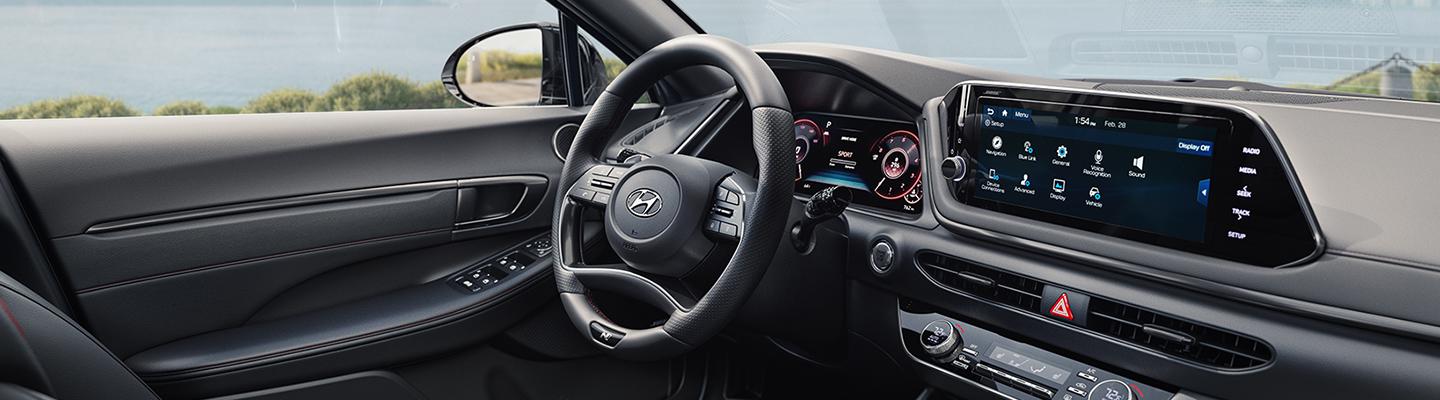
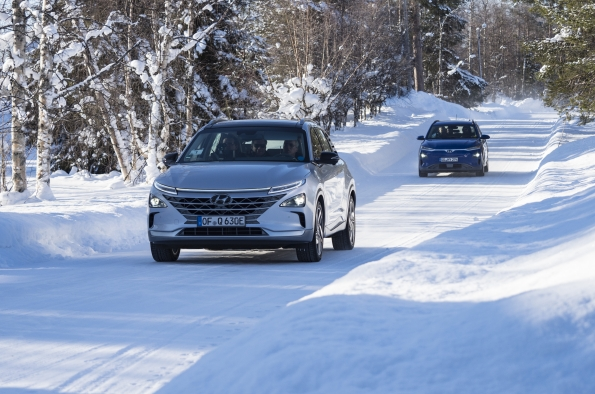
Hyundai winter car prep service at McCarthy Hyundai of Topeka

5 Simple Ways to Get Your Car Ready for Winter in Topeka, KS

Brief Summary / Excerpt: Winter driving in Kansas can bring freezing temperatures, icy roads, snow, slush, and road salt. Use these five simple winter car prep tips to help your Hyundai stay safer, more reliable, and ready for cold-weather driving around Topeka. Introduction For much of the year, driving around Topeka can feel fairly routine. Then winter arrives. Cold starts, slick roads, freezing rain, snow, potholes, low tire pressure, and road salt can quickly reveal whether your vehicle is truly prepared. Winter car prep does not have to be complicated, but it does need to be intentional. A weak battery, worn tires, low washer fluid, old wiper blades, or an empty emergency kit can turn a normal commute into a stressful situation when temperatures drop. Before Kansas winter weather becomes a problem, take time to prepare your vehicle. If you want professional help, you can schedule a winter inspection through the McCarthy Hyundai of Topeka service center. Drivers can also review current service and parts specials before booking seasonal maintenance. Why Winter Car Prep Matters in Kansas Kansas winter weather can change quickly. One day may be dry and cold, while the next brings freezing rain, icy bridges, blowing snow, or slushy roads. Even if Topeka does not see constant heavy snow, winter conditions can still affect visibility, traction, braking, and starting reliability. The National Highway Traffic Safety Administration recommends preparing your vehicle before winter by checking important systems such as tires, batteries, coolant, windshield wipers, washer fluid, and emergency supplies. The National Safety Council also encourages drivers to test batteries, check tire pressure, and keep emergency kits stocked before winter driving. In other words, winter readiness is not just about comfort. It is about safety, reliability, and being prepared when road conditions are less predictable. 1. Test and Protect Your Battery A dead battery is frustrating any time of year, but it is especially miserable on a freezing morning or in a cold parking lot. Cold weather can reduce battery performance, and engines often require more power to start when temperatures drop. If your battery is weak in mild weather, winter may expose the problem quickly. A battery test can help you understand whether your battery is still healthy or nearing the end of its life. Signs Your Battery May Be Weak The engine cranks slowly Dashboard lights flicker during startup You recently needed a jump-start The battery warning light appears Electrical features seem inconsistent The battery is several years old A technician can test battery voltage, charging system performance, and terminal condition. If corrosion is present, cleaning the terminals may help improve electrical connection. If the battery is failing, replacing it before winter can help you avoid being stranded. 2. Maintain Your Tires and Tire Pressure Your tires are one of the most important parts of winter driving. They affect traction, braking, steering, ride quality, and fuel efficiency. Cold temperatures can also cause tire pressure to drop, which may trigger your tire pressure monitoring system or reduce handling confidence. The NHTSA tire safety guide recommends checking tire inflation, treadwear, damage, and alignment as part of regular tire maintenance. NHTSA also notes that winter tires are more effective than all-season tires in deep snow. Winter Tire Prep Checklist Check tire pressure when tires are cold Inflate tires to the PSI listed on the driver-side door placard Inspect tread depth on all four tires Look for cracks, bulges, punctures, or uneven wear Consider winter tires if you regularly drive in snow or ice Schedule alignment service if the vehicle pulls or tires wear unevenly Do not rely only on tire appearance. A tire can look acceptable at a glance while still having low pressure, uneven wear, or reduced tread depth. If you are unsure whether your tires are winter-ready, schedule an inspection through the Hyundai service center in Topeka. 3. Check Fluids, Wipers, and Visibility Systems Winter weather puts extra demand on fluids and visibility systems. When roads are wet, salty, snowy, or slushy, you need clean windows, working wipers, proper fluid levels, and a defroster that clears the windshield quickly. Fluids to Check Before Winter Engine oil Coolant or antifreeze Brake fluid Transmission fluid, where applicable Power steering fluid, where applicable Windshield washer fluid rated for freezing temperatures Coolant helps regulate engine temperature and protect against freezing. Washer fluid should be a winter-grade formula with de-icing ability before freezing weather arrives. NHTSA specifically recommends filling the washer fluid reservoir with high-quality winter fluid before winter weather hits. Visibility Items to Inspect Windshield wiper blades Rear wiper blade, if equipped Headlights Brake lights Turn signals Hazard lights Defroster and heater performance If your wipers streak, skip, chatter, or leave wet spots behind, replace them before winter storms arrive. Clear visibility is one of the simplest but most important parts of safe winter driving. 4. Wash and Protect Your Vehicle Washing your car may not seem like winter prep, but it can help protect your vehicle from seasonal grime, road salt, ice-melt residue, and moisture. Salt is helpful for improving road safety, but it can collect on your vehicle’s exterior and undercarriage. Before winter begins, a thorough wash can remove summer dirt, bugs, and grime. Adding wax or paint protection can help create an extra barrier against moisture and road residue. Winter Washing Tips Wash your vehicle before winter weather arrives Apply wax or paint protection if appropriate Rinse the undercarriage after driving on salted roads Clean headlights and taillights regularly Remove snow and ice from windows, mirrors, lights, and roof before driving Regular winter washes can help reduce buildup that may contribute to corrosion over time. Just make sure door seals, locks, and mirrors are not left frozen after washing in very cold weather. 5. Pack a Winter Emergency Kit Even a well-maintained vehicle can face unexpected trouble. A sudden storm, flat tire, dead battery, traffic delay, or icy road can leave you waiting longer than expected. A winter emergency kit helps you stay safer and more comfortable until help arrives. The National Safety Council emergency car kit guide recommends keeping supplies such as jumper cables, a first aid kit, flashlight, drinking water, food, blankets, a snow brush, shovel, and traction material in your vehicle. What to Keep in a Winter Car Emergency Kit First-aid kit Jumper cables or portable jump starter Snow brush and ice scraper Flashlight and extra batteries Reflective triangles or road flares Portable phone charger Small air compressor or tire inflator Small shovel Cat litter or sand for traction Warm blanket or thermal blanket Gloves and extra warm clothing Nonperishable snacks Bottled water Basic multi-tool Necessary medications for longer trips Before winter road trips, also make sure your gas tank or battery charge is sufficient, your phone is charged, and someone knows your travel plans if weather is questionable. Bonus Tip: Check Kansas Road Conditions Before You Go Vehicle prep matters, but smart trip planning matters too. Before driving during winter weather, check conditions and avoid unnecessary travel if roads are dangerous. Kansas drivers can use KanDrive from the Kansas Department of Transportation for real-time updates on road conditions, construction detours, travel weather, major highways, and the Kansas Turnpike. If roads are slick, slow down, increase following distance, brake gently, and give yourself more time to reach your destination. Quick Winter Car Prep Checklist Winter Prep Item What to Check Why It Matters Battery Voltage, terminals, charging system Cold weather can expose weak batteries Tires Pressure, tread depth, damage, alignment Traction and braking depend on tire condition Fluids Oil, coolant, brake fluid, washer fluid Fluids support engine protection and visibility Visibility Wipers, lights, defroster, windshield Clear visibility is essential in winter weather Exterior Protection Wash, wax, undercarriage rinse Helps reduce salt and grime buildup Emergency Kit Safety, warmth, traction, food, water Helps during breakdowns, delays, or storms Schedule Winter Service in Topeka Winter preparation is easier when you have a trusted service team inspect your vehicle. McCarthy Hyundai of Topeka can help with battery testing, tire inspection, oil changes, coolant checks, wiper replacement, brake inspections, and other seasonal maintenance needs. Before scheduling your visit, check current Hyundai service and parts specials. If your current vehicle no longer fits your winter driving needs, you can also browse new Hyundai vehicles in Topeka, explore used cars for sale in Topeka, review certified pre-owned Hyundai vehicles, learn about Hyundai financing options, or schedule a Hyundai test drive in Topeka. Key Takeaways: Winter Car Prep Benefits Testing your battery before winter can help prevent cold-weather no-start issues. Proper tire pressure and tread depth are essential for winter traction and braking. Winter-grade washer fluid, good wipers, and working lights improve visibility. Washing your vehicle can help reduce salt and grime buildup. A winter emergency kit can help keep you safer during delays or breakdowns. Checking KanDrive before trips can help you avoid dangerous road conditions. Why Choose McCarthy Hyundai of Topeka? When cold weather approaches, McCarthy Hyundai of Topeka is here to help local drivers prepare their vehicles for winter. From battery tests and tire inspections to oil changes, fluids, wipers, and seasonal service guidance, the dealership offers convenient support for Hyundai owners and other drivers around Topeka

Two new car tires propped up together for tire replacement service

Can You Get Just One Tire Replaced? What Topeka Drivers Should Know

Brief Summary / Excerpt: Can you replace just one tire after a flat or tire damage? Sometimes, yes, but the right answer depends on tread depth, tire type, drivetrain, tire age, and your vehicle manufacturer’s recommendations. Learn when one tire is enough and when replacing two or four tires is the safer choice. Introduction A flat tire or damaged tire can interrupt your day fast. Once the spare is on or the vehicle is safely parked, the next question is usually practical: can you get just one tire replaced, or do you need to buy two or even all four? The answer depends on several factors. In some cases, replacing one tire is perfectly reasonable. In other situations, especially on all-wheel-drive vehicles or when the other tires are worn, replacing only one tire can affect handling, traction, ride quality, and possibly drivetrain components. Your tires are the only parts of your vehicle that touch the road, so it is worth making the right decision. If you need tire service in Topeka, you can schedule an inspection through the McCarthy Hyundai of Topeka service center. You can also check current service and parts specials before your visit. Can You Replace Just One Tire? Yes, you can replace just one tire under the right circumstances. This is most likely to be acceptable when the other three tires are still relatively new, the replacement tire matches the remaining tires, and the tread depth difference is within the vehicle manufacturer’s acceptable range. However, replacing only one tire is not always the best choice. Tires work as a set. A major difference in tread depth, size, brand, tire model, load rating, or speed rating can affect how the vehicle brakes, turns, accelerates, and responds in wet or slippery conditions. Before replacing just one tire, consider: Tread depth on the remaining tires Tire brand, model, size, load index, and speed rating Vehicle drivetrain, especially AWD or 4WD Tire age and condition Whether the damaged tire can be safely repaired Manufacturer recommendations in the owner’s manual First, Can the Tire Be Repaired? Before replacing a tire, a technician should inspect the damage to see if repair is possible. Some punctures can be repaired safely, but not all damage should be patched or plugged. A Tire May Not Be Repairable If: The damage is on the sidewall The puncture is too large The tire was driven on while flat There is internal tire damage The tread is already too worn The tire has bulges, cracks, or exposed cords The tire has multiple punctures too close together If a tire cannot be repaired safely, replacement is the correct next step. Why Tread Depth Matters When Replacing One Tire Tread depth is one of the most important factors in deciding whether one tire can be replaced by itself. When tires wear down, their overall diameter and circumference become slightly smaller. A brand-new tire may rotate at a slightly different speed than the worn tires already on the vehicle. That difference can affect handling, traction control, stability control, anti-lock braking systems, and drivetrain components. The larger the tread depth difference, the more important it becomes to replace tires in pairs or as a full set. The National Highway Traffic Safety Administration recommends that drivers inspect tire inflation, treadwear, damage, and overall tire condition regularly. NHTSA also notes that tires should be replaced if tread is worn to the minimum depth indicated by the penny test or if there are signs of damage such as cuts, cracks, bulges, or irregular wear. How to Check Tread Depth The most accurate way to check tread depth is with a tread depth gauge. A technician can measure all four tires and compare them. You can also use a penny test for a quick visual check. To perform the penny test, place a penny into the tread groove with Lincoln’s head facing down. If you can see all of Lincoln’s head, the tire tread is at or below roughly 2/32 of an inch, and the tire should be replaced. Even before reaching 2/32 of an inch, tires may lose performance in rain, snow, or slush. If your tires are getting low, replacing only one may not be the best long-term choice. Should You Replace Tires in Pairs? If the other tires are moderately worn, replacing two tires may be the better option. Replacing tires in pairs helps balance traction across the axle and can improve predictable handling. Consumer Reports advises that if the remaining tires are lightly worn, replacing one tire may be reasonable. If the remaining tires are more worn, replacing a pair may make more sense. You can read more from Consumer Reports on replacing tires in pairs. If You Replace Two Tires, Where Should They Go? In many cases, when only two tires are replaced, the newer tires should be installed on the rear axle to help reduce the risk of oversteer and improve stability on wet roads. However, placement can vary depending on the vehicle, tire condition, and manufacturer guidance. A service technician can help determine the correct placement for your Hyundai based on your tire measurements and drivetrain. What About All-Wheel Drive Vehicles? All-wheel-drive vehicles require special attention when replacing tires. Because power can be distributed to all four wheels, tire circumference differences can place extra stress on AWD components if the tread depths are mismatched beyond the manufacturer’s tolerance. This does not always mean you must replace all four tires every time one tire is damaged. It does mean you should be more careful. Some AWD vehicles may require all four tires to match closely in tread depth. In certain cases, a new tire can be shaved to match the tread depth of the remaining tires, but that option depends on availability and the specific situation. Consumer Reports explains that AWD vehicles can be sensitive to mismatched tire circumference and recommends checking the owner’s manual for specific replacement guidance. Learn more from Consumer Reports on tire shaving and AWD vehicles. Why Matching Tire Type Matters If you replace only one tire, the replacement should match the other tires as closely as possible. Ideally, it should be the same: Brand Model Size Load index Speed rating Tread pattern Tire category, such as all-season, winter, or performance Mixing tire types can affect steering, braking, cornering, traction, and ride comfort. For example, combining one winter tire with three all-season tires is not recommended because each tire type is designed to grip and respond differently. NHTSA recommends purchasing tires that are the same size as the vehicle’s original tires or another size recommended by the vehicle manufacturer. You can find your correct tire size on the driver-side door placard or in your owner’s manual. When Replacing Just One Tire May Be Okay Replacing one tire may be reasonable if: The other three tires are nearly new The tread depth difference is minimal The replacement tire is the same brand, model, size, and rating The vehicle manufacturer allows it The vehicle is not sensitive to tread depth differences A tire professional confirms the setup is safe This situation commonly happens when a newer tire is damaged by a nail, pothole, sidewall cut, or road debris shortly after the tire set was installed. When You Should Replace Two or Four Tires Replacing more than one tire may be the safer and smarter choice when the remaining tires are worn, mismatched, aged, or unevenly worn. Consider Replacing Two Tires If: Two tires on the same axle are worn The remaining tires have moderate tread wear You want more balanced handling Only one axle needs immediate replacement Consider Replacing All Four Tires If: You drive an AWD vehicle and tread depths are too different All tires are near the end of their usable tread life The tires are old, cracked, or weather-damaged The current tires are mismatched You are switching tire types, such as moving to winter tires You want the most consistent performance and handling A full set can provide the most balanced traction, braking, ride quality, and handling. What If You Are Using a Spare Tire? A spare tire is usually a temporary solution, not a long-term replacement. Many vehicles include compact spare tires designed for limited speed and distance. Even full-size spares can age over time because rubber degrades, even if the tire is rarely used. NHTSA advises that a full-size spare should not be used as a replacement for worn tires except in emergencies. If you are currently driving on a spare, schedule tire service as soon as possible. Tire Replacement Service in Topeka, KS If you need tire replacement in Topeka, McCarthy Hyundai of Topeka can inspect your tires, measure tread depth, check tire condition, and help determine whether one, two, or four tires should be replaced. Drivers can schedule tire service through the Hyundai service center in Topeka. Before booking, check current Hyundai service and parts specials for available offers. Need a Vehicle With More Confidence on the Road? Sometimes tire replacement is all you need. Other times, tire issues are part of a bigger decision about whether your current vehicle still fits your lifestyle. If you are thinking about upgrading, McCarthy Hyundai of Topeka offers several shopping resources. Browse new Hyundai vehicles in Topeka Explore used cars for sale in Topeka Shop certified pre-owned Hyundai vehicles Review new Hyundai vehicle specials Learn about Hyundai financing options Schedule a Hyundai test drive in Topeka Key Takeaways: Replacing One Tire You can replace just one tire in some situations, especially if the other tires are nearly new. The replacement tire should match the other tires as closely as possible. Tread depth differences can affect handling, braking, traction, and drivetrain systems. AWD vehicles may require closer tread depth matching than FWD vehicles. If two tires are replaced, the newer tires are often installed on the rear axle for stability. A technician can measure tread depth and help determine whether one, two, or four tires should be replaced. Why Choose McCarthy Hyundai of Topeka? When you are deciding whether to replace one tire or a full set, it helps to work with a service team that understands Hyundai vehicles and can evaluate your tire condition carefully. McCarthy Hyundai of Topeka provides local tire service support for drivers throughout Topeka and northeast Kansas. Located at 2920 S Kansas Ave, Topeka, KS 66611, McCarthy Hyundai of Topeka helps drivers with tire inspections, tire replacement guidance, routine maintenance, vehicle service, financing resources, and new, used, and certified pre-owned Hyundai options. Drivers choose McCarthy Hyundai of Topeka for: Hyundai service support in Topeka Tire inspections and replacement guidance Access to service and parts specials Convenient maintenance scheduling New, used, and certified pre-owned Hyundai shopping options A local dealership team focused on long-term vehicle care Learn more about McCarthy Hyundai of Topeka, schedule tire service through the service center, or review available service and parts specials. Conclusion: One Tire Might Be Enough, But It Depends Replacing just one tire can be the right move if your other tires are still close to new, the replacement tire matches, and your vehicle manufacturer’s guidance allows it. But if the other tires are worn, mismatched, aged, or installed on an AWD vehicle with tight tread-depth tolerances, replacing two or four tires may be safer and better for long-term performance. The smartest step is to have all four tires inspected and measured. A professional can help you avoid unnecessary replacement while still protecting traction, handling, and drivetrain health. For tire replacement in Topeka, contact McCarthy Hyundai of Topeka at (785) 267-2800 or schedule service through the McCarthy Hyundai of Topeka service center. Frequently Asked Questions Can I replace just one tire on my car? Yes, you may be able to replace just one tire if the other tires are nearly new, the tread depth difference is minimal, and the replacement tire matches the others in size, brand, model, load rating, and speed rating. Do I need to replace all four tires on an AWD vehicle? Sometimes. AWD vehicles can be sensitive to tread depth differences because mismatched tire circumference may stress drivetrain components. Check your owner’s manual and have a technician measure all four tires. Should I replace tires in pairs? If the other tires are moderately worn, replacing two tires may provide better balance and handling than replacing only one. A tire professional can help decide based on tread depth and vehicle type. Where should new tires go if I replace only two? In many cases, newer tires are installed on the rear axle to help improve wet-road stability. However, placement should be confirmed based on your vehicle, tire condition, and manufacturer guidance. How do I know if my tire needs to be replaced? A tire may need replacement if tread is too low, damage is on the sidewall, there are bulges or cracks, the tire was driven while flat, or a puncture cannot be safely repaired. Where can I get tire replacement in Topeka? You can schedule tire inspection or replacement through the McCarthy Hyundai of Topeka service center.

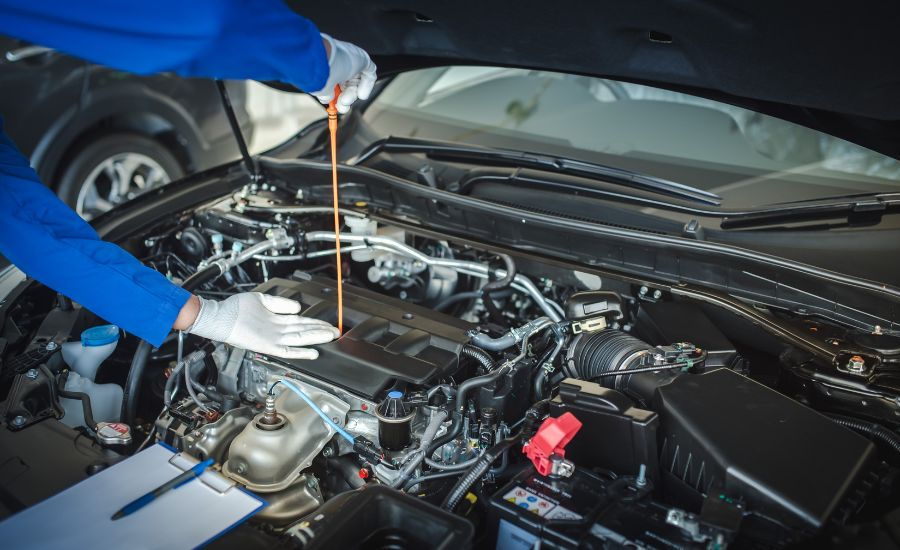
Hyundai service technician pouring new oil into a vehicle engine

How Often Should I Change My Oil? A Hyundai Service Guide for Topeka Drivers

Brief Summary / Excerpt: Wondering how often you should change your oil? Most modern vehicles follow mileage- or time-based maintenance intervals, but your Hyundai model, oil type, driving habits, and local conditions all matter. Learn the signs your vehicle needs an oil change and when to schedule service at McCarthy Hyundai of Topeka. Introduction Changing your oil is one of the simplest and most important ways to protect your vehicle’s engine. Clean engine oil lubricates moving parts, helps manage heat, reduces friction, and carries contaminants away from critical components. When oil gets old, dirty, or low, your engine has to work harder, and long-term wear can increase. So, how often should you change your oil? The honest answer is: it depends on your vehicle, your oil type, your mileage, your driving habits, and your manufacturer’s maintenance schedule. Some drivers may need oil changes more frequently, while others can follow longer intervals recommended for modern engines and synthetic oil. If you drive a Hyundai in Topeka, KS, the best place to start is your owner’s manual or Hyundai’s recommended maintenance schedule. You can also schedule service with the McCarthy Hyundai of Topeka service center for an oil change, oil filter replacement, and multi-point inspection. Before your visit, review current service and parts specials for available maintenance offers. How Often Should You Change Your Oil? Many modern vehicles are designed for oil change intervals based on mileage, time, oil type, and driving conditions. For many newer vehicles, oil changes may fall somewhere around every 5,000 to 7,500 miles, while some models using full synthetic oil may allow longer intervals under normal driving conditions. However, the most important rule is simple: follow the maintenance schedule for your specific vehicle. Hyundai advises drivers to check the owner’s manual for the correct oil grade, viscosity, and oil change frequency for their model. You can also use Hyundai’s official recommended maintenance schedule as a reference. Your oil change interval may depend on: Your Hyundai model and engine Vehicle age and mileage Whether you use conventional, synthetic blend, or full synthetic oil Normal vs. severe driving conditions How often you drive short trips Weather and temperature extremes Towing, heavy loads, or frequent stop-and-go driving If you are unsure which schedule applies to your vehicle, the service team at McCarthy Hyundai of Topeka can help you confirm the right interval. Conventional vs. Synthetic Oil: What Is the Difference? The type of oil your vehicle uses plays a major role in how often it should be changed. Always use oil that meets the specifications listed in your owner’s manual. Conventional Oil Conventional oil is derived from refined crude oil and has been used in vehicles for decades. It is usually less expensive than synthetic oil, but it can break down sooner under heat, stress, and demanding driving conditions. Older vehicles or some engines may still use conventional oil, but many modern Hyundai models require or perform best with synthetic or synthetic-blend oil. Synthetic Oil Synthetic oil is engineered for improved stability, performance, and protection. It generally resists breakdown better than conventional oil and can perform well in extreme temperatures. Benefits of synthetic oil may include: Better performance in hot and cold temperatures Improved resistance to oxidation and breakdown Cleaner engine operation Better protection for modern engines Potentially longer intervals when approved by the manufacturer Hyundai’s official oil change guidance recommends checking your owner’s manual for the correct oil grade, viscosity, and change frequency. You can learn more from Hyundai oil change service information. Normal vs. Severe Driving Conditions Many drivers are surprised to learn that their everyday routine may count as “severe” driving under manufacturer maintenance schedules. Severe driving does not always mean racing, towing, or off-roading. It can include common habits that place extra stress on your engine oil. You May Need More Frequent Oil Changes If You: Take frequent short trips Drive mostly in stop-and-go traffic Idle for long periods Drive in extreme heat or cold Regularly travel dusty roads Tow or carry heavy loads Drive aggressively or at sustained highway speeds Topeka drivers may experience a mix of hot summers, cold winters, highway driving, short errands, and seasonal weather changes. That is why it is smart to review your specific Hyundai maintenance schedule instead of relying on a universal mileage number. Signs That It Is Time for an Oil Change Even if you follow a regular schedule, your vehicle may show signs that an oil change is needed sooner. Do not ignore these symptoms, especially if they appear alongside performance changes or dashboard warnings. Oil Change or Maintenance Reminder Light Many modern Hyundai vehicles include maintenance reminders that help track service intervals. If your oil change or maintenance light appears, check your vehicle information display and schedule service as needed. Check Engine Light A check engine light does not always mean your oil needs to be changed, but it should not be ignored. Low oil, poor oil condition, or related engine concerns may contribute to performance issues. A technician can diagnose the cause. Engine Noise or Rough Performance Oil helps reduce metal-to-metal contact inside the engine. If oil is old, low, or contaminated, you may notice louder engine noise, ticking, knocking, rough operation, or reduced performance. Dark or Dirty Oil Fresh oil is often amber and relatively clear. Over time, it darkens as it collects contaminants. Dark oil alone does not always mean the oil is overdue, but gritty, dirty, or low oil should be checked by a professional. Oil Smell Inside the Cabin If you smell oil inside your vehicle, it may indicate an oil leak, burning oil, or another issue that needs inspection. Do not wait for the smell to become stronger before scheduling service. Exhaust Smoke Visible smoke from the exhaust can signal oil burning or other engine concerns. If you see smoke, schedule service promptly. Why Regular Oil Changes Are Important Engine oil has several jobs. It lubricates, cools, cleans, and protects. Over time, oil breaks down and becomes less effective. Contaminants such as dirt, metal particles, and combustion byproducts can build up, reducing the oil’s ability to protect your engine. Regular oil changes help: Reduce engine wear Support fuel efficiency Help maintain smooth performance Remove contaminants from the engine Protect engine components from heat and friction Support long-term reliability Help preserve warranty-related maintenance records Skipping oil changes may lead to sludge buildup, overheating, poor performance, increased wear, and costly engine damage. Hyundai specifically warns that delaying oil change service can result in serious damage to your vehicle. How Often Should You Change Your Oil Filter? Your oil filter captures contaminants as oil circulates through the engine. Over time, the filter becomes less effective. In most cases, the oil filter should be replaced every time you change your oil. Replacing the oil but leaving an old filter in place can reduce the benefit of the service because fresh oil immediately passes through a used filter. A proper oil change service should include the correct oil and a quality oil filter suitable for your Hyundai. Can I Change My Oil Myself? Some drivers prefer DIY oil changes. If you choose to change your oil yourself, make sure you use the correct oil grade, viscosity, oil filter, drain plug torque, and disposal method. Used oil should always be recycled properly. However, many drivers prefer professional service because a technician can also inspect related systems, check for leaks, review fluids, inspect tires, and identify maintenance concerns before they become larger repairs. At McCarthy Hyundai of Topeka, an oil change visit can also be a convenient time to ask about tire rotations, brakes, batteries, filters, and other recommended maintenance. Oil Change Service in Topeka, KS If you are searching for an oil change in Topeka, McCarthy Hyundai of Topeka offers Hyundai service support at 2920 S Kansas Ave, Topeka, KS 66611. The service team can help you choose the correct oil for your Hyundai, replace the oil filter, and inspect your vehicle for additional maintenance needs. You can schedule an oil change through the Hyundai service center in Topeka. Before booking your appointment, check current service and parts specials for possible savings. Planning Ahead: Maintenance and Vehicle Shopping Resources Routine maintenance helps protect your current vehicle, but if your Hyundai is aging or no longer fits your lifestyle, McCarthy Hyundai of Topeka can also help you explore your next option. Helpful shopping resources include: Browse new Hyundai vehicles in Topeka Explore used cars for sale in Topeka Shop certified pre-owned Hyundai vehicles Review new Hyundai vehicle specials Learn about Hyundai financing options Schedule a Hyundai test drive in Topeka Key Takeaways: Oil Change Benefits Oil change intervals vary by model, oil type, mileage, time, and driving conditions. Your Hyundai owner’s manual is the best source for the correct maintenance schedule. Synthetic oil may support longer intervals when approved for your vehicle. Severe driving conditions may require more frequent oil changes. Oil filters should typically be replaced with every oil change. Warning lights, engine noise, dirty oil, oil smells, or smoke should be checked promptly. Professional oil change service can help identify other maintenance needs early. Why Choose McCarthy Hyundai of Topeka? When it is time for an oil change, choosing a local Hyundai dealership gives you convenient access to service support from a team familiar with Hyundai maintenance needs. McCarthy Hyundai of Topeka helps drivers protect their vehicles with oil changes, filter replacement, inspections, and additional maintenance services. Located at 2920 S Kansas Ave, Topeka, KS 66611, McCarthy Hyundai of Topeka supports local drivers with sales, financing, service, and ownership resources in one convenient place. Drivers choose McCarthy Hyundai of Topeka for: Hyundai service support in Topeka Convenient oil change and maintenance scheduling Access to service and parts specials New, used, and certified pre-owned vehicle options Financing resources for shoppers considering their next vehicle A local team focused on customer service and long-term vehicle care Learn more about McCarthy Hyundai of Topeka, schedule service through the service center, or review available service and parts specials. Conclusion: Keep Your Engine Protected With Timely Oil Changes Oil changes may feel routine, but they play a major role in protecting your engine. Fresh oil and a clean filter help reduce friction, manage heat, remove contaminants, and support long-term reliability. The best oil change interval is the one recommended for your specific vehicle and driving conditions. If you are unsure when your Hyundai is due, check your owner’s manual or contact McCarthy Hyundai of Topeka for help reviewing your maintenance schedule. To schedule your next oil change in Topeka, contact McCarthy Hyundai of Topeka at (785) 267-2800 or visit the McCarthy Hyundai of Topeka service center. Frequently Asked Questions How often should I change my oil? Oil change intervals vary by vehicle, oil type, and driving conditions. Many modern vehicles fall around 5,000 to 7,500 miles, but you should always follow the maintenance schedule in your owner’s manual. Does synthetic oil last longer than conventional oil? Synthetic oil generally resists breakdown better than conventional oil and may allow longer intervals when approved by the manufacturer. Always use the oil type and interval recommended for your vehicle. Should I change my oil filter every time? Yes, in most cases the oil filter should be replaced with every oil change. A clean filter helps fresh oil stay cleaner as it circulates through the engine. What happens if I delay an oil change? Delaying an oil change can lead to dirty oil, reduced lubrication, sludge buildup, overheating, poor performance, and possible engine damage. How do I know if my Hyundai needs an oil change? Signs may include an oil change reminder, check engine light, engine noise, rough performance, dark or gritty oil, oil smell, or visible exhaust smoke. Where can I get a Hyundai oil change in Topeka? You can schedule Hyundai oil change service through the McCarthy Hyundai of Topeka service center in Topeka, KS. Image Alt Text Options Primary Alt Tag: Hyundai service technician pouring new oil into a vehicle engine Hyundai oil change service at McCarthy Hyundai of Topeka Technician performing Hyundai oil change service in Topeka KS Fresh engine oil being added during Hyundai maintenance service Hyundai service center oil change and filter replacement Internal Linking Opportunities Used McCarthy Hyundai of Topeka service center service and parts specials new Hyundai vehicles in Topeka used cars for sale in Topeka certified pre-owned Hyundai vehicles new Hyundai vehicle specials Hyundai financing options schedule a Hyundai test drive in Topeka about McCarthy Hyundai of Topeka Recommended External Links Hyundai recommended maintenance schedule Hyundai oil change service information NHTSA vehicle maintenance and road trip tips

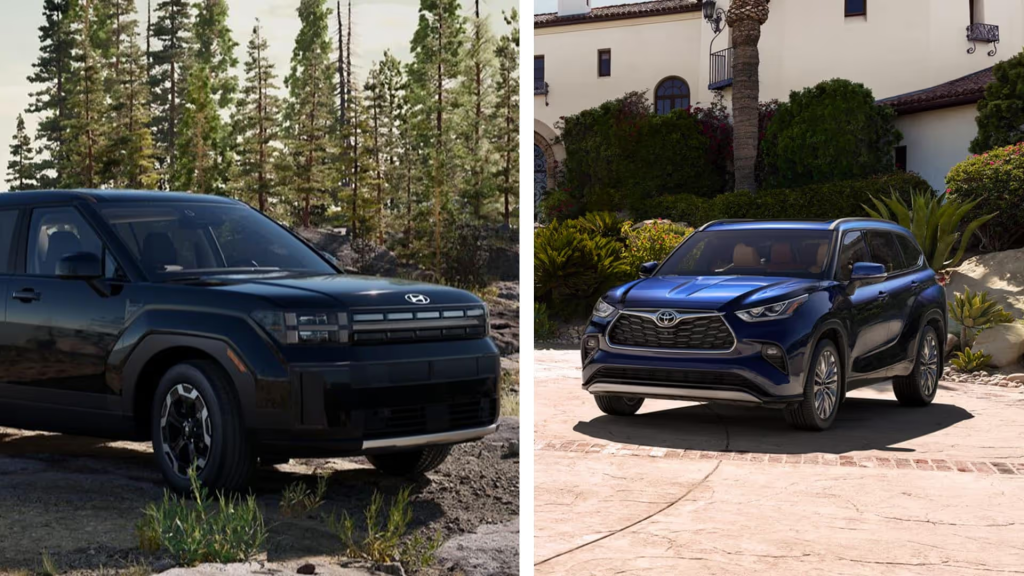
Hyundai Santa Fe vs. Toyota Highlander

Hyundai Santa Fe vs. Toyota Highlander: Which Family SUV Fits Your Lifestyle?

Brief Summary / Excerpt: Comparing the 2026 Hyundai Santa Fe vs. Toyota Highlander? Both family SUVs offer three-row practicality, modern safety features, and everyday comfort, but the Hyundai Santa Fe stands out with bold design, strong turbocharged performance, a tech-forward cabin, and excellent value for Topeka families. Introduction Choosing the right family SUV is not just about picking the biggest vehicle on the lot. It is about finding the SUV that fits your daily routine, your passengers, your weekend plans, your budget, and your long-term ownership needs. That is why many shoppers compare the 2026 Hyundai Santa Fe vs. Toyota Highlander. Both SUVs are well-known choices for families, commuters, road-trippers, and drivers who need more space than a sedan can provide. The Highlander has a long-standing reputation for practicality, while the redesigned Hyundai Santa Fe brings a more modern personality, standout styling, advanced technology, and a smart balance of comfort and capability. If you are shopping for a Hyundai Santa Fe for sale in Topeka, KS, you can start by browsing the current new Hyundai inventory at McCarthy Hyundai of Topeka. You can also review available new Hyundai vehicle specials or schedule a Hyundai test drive in Topeka. Hyundai Santa Fe vs. Toyota Highlander at a Glance Category 2026 Hyundai Santa Fe 2026 Toyota Highlander Standard Gas Engine 2.5L turbocharged 4-cylinder 2.4L turbocharged 4-cylinder Horsepower 277 horsepower 265 horsepower Torque 311 lb-ft 310 lb-ft Transmission 8-speed automatic transmission 8-speed automatic transmission Available Drivetrain FWD or available HTRAC AWD AWD standard for 2026 gas and hybrid models Max Towing Up to 4,500 lbs when properly equipped Up to 5,000 lbs on gas models when properly equipped Design Personality Bold, rugged, modern, adventure-inspired Traditional, refined, family-focused Best Fit Families wanting standout design, technology, and versatility Families prioritizing traditional midsize SUV familiarity Specifications can vary by trim, configuration, and equipment. Always confirm current availability and vehicle details with the dealership before purchasing. Where Is the Hyundai Santa Fe Made? Many shoppers ask, “Where is the Hyundai Santa Fe made?” Hyundai has a major manufacturing presence in the United States, and the Santa Fe is produced at Hyundai Motor Manufacturing Alabama in Montgomery, Alabama. Hyundai’s official newsroom notes that the Montgomery plant produces models including the Santa Fe and Santa Fe Hybrid for the North American market. You can learn more from the Hyundai Motor Manufacturing Alabama production anniversary release. Performance and Capability Comparison 2026 Hyundai Santa Fe Performance The 2026 Hyundai Santa Fe offers a strong 2.5L turbocharged 4-cylinder engine with 277 horsepower and 311 lb-ft of torque. That gives the Santa Fe a responsive feel for merging, passing, and carrying passengers or cargo around Topeka and beyond. Key Hyundai Santa Fe performance highlights include: 2.5L turbocharged GDI/MPI 4-cylinder engine 277 horsepower 311 lb-ft of torque 8-speed automatic transmission Front-wheel drive or available HTRAC all-wheel drive Up to 29 MPG highway, according to Hyundai Up to 4,500 lbs towing capacity when properly equipped For official model details, visit the Hyundai Santa Fe model page. 2026 Toyota Highlander Performance The 2026 Toyota Highlander gas model uses a 2.4L turbocharged 4-cylinder engine rated at 265 horsepower and 310 lb-ft of torque. Toyota also offers a Highlander Hybrid, which is a strong option for shoppers focused on fuel economy. Key Toyota Highlander performance highlights include: 2.4L turbocharged 4-cylinder gas engine 265 horsepower 310 lb-ft of torque 8-speed automatic transmission Standard AWD for 2026 models Up to 5,000 lbs towing capacity on gas models when properly equipped Available hybrid with up to an EPA-estimated 35 combined MPG You can review official Toyota details on the Toyota Highlander model page and the Toyota USA Newsroom Highlander page. Which SUV Feels Better for Daily Driving? For shoppers comparing gas models, the Santa Fe has a slight horsepower advantage and nearly identical torque compared with the Highlander. That can make the Santa Fe feel confident in everyday driving, especially when accelerating onto highways, carrying passengers, or navigating stop-and-go traffic. The Highlander’s biggest performance advantage is its higher available towing capacity on gas models and its efficient hybrid option. The Santa Fe counters with a more expressive design, strong turbocharged output, available HTRAC AWD, and a cabin that feels especially modern for the class. Hyundai Santa Fe Interior vs. Toyota Highlander Interior Interior comfort is one of the biggest deciding factors for family SUV shoppers. You want space that works for school drop-offs, sports gear, grocery runs, road trips, and weekend errands without feeling cluttered or outdated. Hyundai Santa Fe Interior Highlights The Hyundai Santa Fe interior is one of its strongest selling points. Its design feels clean, upscale, and highly functional, with a wide cabin layout and modern digital displays that create a premium feel. Bold, open interior layout Available panoramic curved display with dual 12.3-inch screens Available premium seating materials Three-row seating Smart storage areas throughout the cabin Flexible cargo space for family gear Available dual wireless charging Available convenience features such as a UV-C sterilization compartment on select trims The Santa Fe feels especially appealing for drivers who want an SUV that looks and feels different from the usual family hauler. Toyota Highlander Interior Highlights The Toyota Highlander interior is practical, comfortable, and familiar. It offers three-row flexibility and a sensible layout, but its design is more traditional than the Santa Fe’s newer, more angular cabin. Three-row seating Comfortable family-focused cabin Available large infotainment display on select trims Available premium audio and comfort features Traditional dashboard and control layout Hybrid availability for fuel-conscious shoppers The Highlander remains a strong family SUV, but shoppers who want a more distinctive interior may prefer the Santa Fe. Technology and Connectivity Modern families need more than cupholders and cargo space. Today’s SUVs need to support smartphones, navigation, safety alerts, charging, entertainment, and everyday convenience. Hyundai Santa Fe Technology The 2026 Hyundai Santa Fe offers a tech-forward experience, especially on trims with the available panoramic curved display. The wide-screen layout gives the cabin a clean, modern feel and keeps key information easy to see. Available or standard features may include: Large touchscreen display Available 12.3-inch digital instrument cluster Wireless smartphone integration on many configurations Available wireless device charging Hyundai Digital Key availability Multiple USB ports Available premium audio Available surround-view and parking assistance technologies Toyota Highlander Technology The Toyota Highlander also offers useful technology, including Toyota Audio Multimedia and available connected services. Higher trims add more premium tech and comfort features, while lower trims may feel more conventional. Available or standard features may include: Toyota Audio Multimedia touchscreen Wireless smartphone compatibility Available JBL audio system Connected services availability Driver-assistance technology through Toyota Safety Sense Both SUVs offer modern technology, but the Santa Fe’s cabin presentation feels more visually distinctive and contemporary. Safety and Driver Assistance Family SUV shoppers often place safety near the top of the list, and both Hyundai and Toyota offer robust driver-assistance systems. Features vary by trim, so it is important to compare the specific vehicles you are considering. Hyundai Santa Fe Safety Features The Santa Fe offers a wide range of Hyundai SmartSense features designed to support driver awareness and confidence. Depending on trim and configuration, features may include: Forward Collision-Avoidance Assist Blind-Spot Collision Warning or related blind-spot assistance features Lane Keeping Assist Lane Following Assist Smart Cruise Control Highway Driving Assist availability Rear Cross-Traffic Collision-Avoidance Assist availability Toyota Highlander Safety Features The Highlander includes Toyota Safety Sense technology, which supports everyday awareness with driver-assistance features. Depending on trim, shoppers may find features such as: Pre-Collision System Lane Departure Alert Lane Tracing Assist Dynamic Radar Cruise Control Road Sign Assist Automatic high beams Both SUVs are strong choices from a safety-feature standpoint. The best option may depend on which features are standard or available on the trim you plan to buy. Family Practicality: Space, Comfort, and Daily Use A great family SUV should be easy to live with. That means simple entry and exit, flexible cargo space, comfortable seating, convenient storage, and technology that does not make everyday driving more complicated. Where the Santa Fe Shines The Hyundai Santa Fe is especially appealing for families who want a practical SUV with a fresh design. Its boxier shape gives it a confident road presence while helping support usable interior space. The cabin feels thoughtfully organized, and the available tech makes the SUV feel current without becoming overwhelming. The Santa Fe is a great fit for: Growing families Drivers who want three-row flexibility in a modern package Commuters who want comfort and technology Weekend travelers who need cargo versatility Shoppers who want standout styling Where the Highlander Shines The Toyota Highlander is a familiar midsize SUV with a strong reputation, a practical cabin, and an available hybrid powertrain. It may appeal most to shoppers who prefer a more traditional design and want maximum gas-model towing capacity or hybrid efficiency. The Highlander is a good fit for: Families who prefer a traditional SUV layout Drivers who want standard AWD for 2026 Shoppers focused on hybrid fuel economy Drivers needing up to 5,000 lbs of towing on gas models Value: Which SUV Gives Families More for the Money? Value is about more than the price on the window sticker. It includes standard features, warranty coverage, technology, design, fuel economy, ownership costs, and how well the vehicle fits your life over time. The Santa Fe makes a strong case because it delivers bold design, family-friendly versatility, impressive technology, and strong turbocharged performance in a package that feels newer and more distinctive than many competitors. For Topeka shoppers, McCarthy Hyundai of Topeka makes it easy to compare available models, review pricing, and explore payment options. You can view new Hyundai vehicle specials, learn about Hyundai financing options, or browse the latest new Hyundai inventory. Should You Buy a New, Used, or Certified Pre-Owned Santa Fe? If you are considering a Hyundai Santa Fe, you have several shopping paths depending on your budget and preferences. New Hyundai Santa Fe A new Santa Fe is ideal if you want the latest styling, technology, warranty coverage, and available features. Start by browsing new Hyundai vehicles in Topeka. Used Hyundai Santa Fe A used Santa Fe may be a strong choice if you want SUV practicality at a lower purchase price. View current used cars for sale in Topeka to compare available options. Certified Pre-Owned Hyundai Santa Fe A certified pre-owned Hyundai can offer added confidence compared with a traditional used vehicle. Explore available certified pre-owned Hyundai vehicles to see what is currently in stock. Key Takeaways: Hyundai Santa Fe vs. Toyota Highlander The 2026 Hyundai Santa Fe offers more horsepower than the 2026 Toyota Highlander gas model. The Highlander gas model offers a higher maximum towing rating when properly equipped. The Highlander Hybrid is a strong choice for shoppers prioritizing fuel economy. The Santa Fe stands out with bold design, a modern interior, and strong technology value. Both SUVs offer three-row practicality and family-focused safety features. The Santa Fe is a compelling fit for families who want comfort, versatility, and standout style. Why Choose McCarthy Hyundai of Topeka? When you are comparing family SUVs, the dealership experience matters. McCarthy Hyundai of Topeka helps local drivers shop with confidence by offering Hyundai sales, financing, service, and ownership support in one convenient location. Located at 2920 S Kansas Ave, Topeka, KS 66611, McCarthy Hyundai of Topeka serves drivers throughout Topeka and northeast Kansas with new Hyundai vehicles, used vehicles, certified pre-owned options, financing resources, and maintenance support. Drivers choose McCarthy Hyundai of Topeka for: A helpful local Hyundai dealership experience Access to new, used, and certified pre-owned Hyundai models Convenient financing resources Service support after the sale New vehicle specials and service offers A team focused on helping shoppers find the right fit for their lifestyle Learn more about McCarthy Hyundai of Topeka, explore new Hyundai inventory, or schedule a Hyundai test drive in Topeka. Conclusion: Which Family SUV Should You Choose? The Toyota Highlander remains a practical and respected family SUV, especially for shoppers interested in hybrid efficiency or higher gas-model towing capability. However, the Hyundai Santa Fe brings a fresher approach to the three-row SUV segment with bold styling, strong turbocharged performance, a modern interior, and impressive family-friendly technology. For many Topeka families, the Santa Fe is the more exciting and better-rounded choice. It feels modern, looks distinctive, and offers the kind of comfort and versatility that daily family life demands. To experience the Hyundai Santa Fe for yourself, contact McCarthy Hyundai of Topeka at (785) 267-2800, browse the latest new Hyundai vehicles in Topeka, or schedule a test drive today. Frequently Asked Questions Is the Hyundai Santa Fe bigger than the Toyota Highlander? The Toyota Highlander is generally positioned as a larger midsize SUV, while the Hyundai Santa Fe offers three-row flexibility in a bold, efficient package. The best choice depends on how much passenger and cargo space your family needs. Which has more horsepower, the 2026 Hyundai Santa Fe or Toyota Highlander? The 2026 Hyundai Santa Fe gas model offers 277 horsepower, while the 2026 Toyota Highlander gas model offers 265 horsepower. Which SUV tows more, the Santa Fe or Highlander? The 2026 Toyota Highlander gas model can tow up to 5,000 pounds when properly equipped. The 2026 Hyundai Santa Fe can tow up to 4,500 pounds when properly equipped. Does the Hyundai Santa Fe have all-wheel drive? Yes. The Hyundai Santa Fe offers available HTRAC all-wheel drive, which can help provide added traction and confidence in changing road conditions. Is the Hyundai Santa Fe good for families? Yes. The Hyundai Santa Fe is a strong family SUV thanks to its three-row seating, flexible cargo space, modern technology, available driver-assistance features, and comfortable cabin. Where is the Hyundai Santa Fe made? The Hyundai Santa Fe is produced at Hyundai Motor Manufacturing Alabama in Montgomery, Alabama for the North American market. Where can I find a Hyundai Santa Fe for sale in Topeka? You can shop Hyundai Santa Fe models through the new Hyundai inventory at McCarthy Hyundai of Topeka. Image Alt Text Options Primary Alt Tag: Orange Hyundai Santa Fe parked outside a cafe in profile view 2026 Hyundai Santa Fe family SUV parked in front of a cafe Hyundai Santa Fe side profile showcasing bold SUV design Orange Hyundai Santa Fe for sale near Topeka KS Hyundai Santa Fe family SUV exterior design in orange Internal Linking Opportunities Used new Hyundai inventory used cars for sale in Topeka certified pre-owned Hyundai vehicles schedule a Hyundai test drive in Topeka Hyundai financing options new Hyundai vehicle specials about McCarthy Hyundai of Topeka Recommended External Links Official Hyundai Santa Fe model page Official Toyota Highlander model page Toyota USA Newsroom 2026 Highlander specifications Hyundai Motor Manufacturing Alabama information

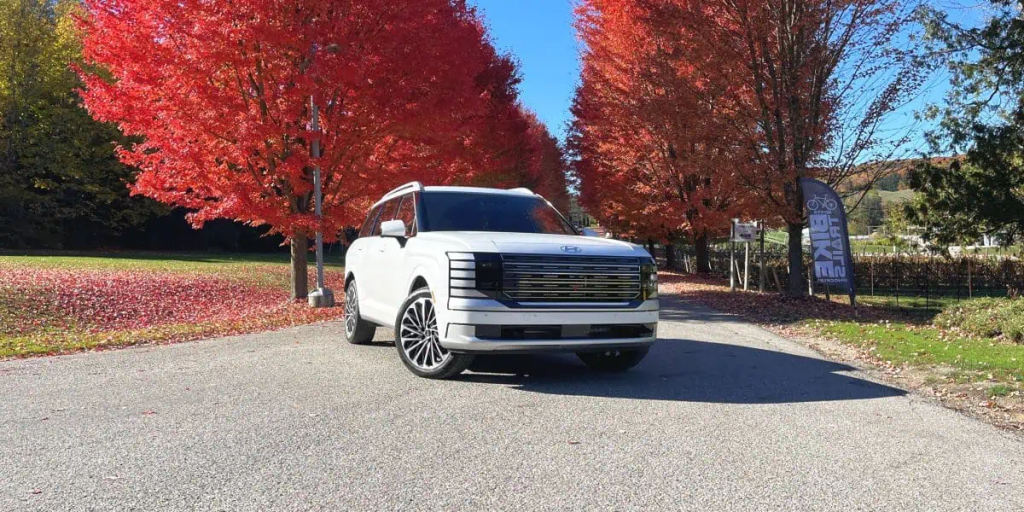
Fall car care service tips for Hyundai drivers in Topeka KS

Your Fall Car Care Checklist for Hyundai Drivers in Topeka, KS

Brief Summary / Excerpt: Cooler weather, shorter days, rain, falling leaves, and the first signs of winter make fall the perfect time to inspect your Hyundai. Use this fall car care checklist to prepare your vehicle for safer, more reliable driving around Topeka and northeast Kansas. Introduction Fall in Topeka brings cooler mornings, earlier sunsets, wet roads, falling leaves, and the first reminders that winter is not far away. It is also one of the best times of year to give your Hyundai a thorough seasonal inspection. Preventive maintenance matters because small issues can become bigger problems once temperatures drop. A weak battery may struggle during a cold start. Low tire pressure can affect handling and fuel efficiency. Old wiper blades can make a rainy evening commute more stressful than it needs to be. Worn brakes or tires can reduce confidence when roads are wet, icy, or covered with leaves. Whether you drive a Hyundai Elantra, Sonata, Tucson, Santa Fe, Palisade, Kona, IONIQ, or another vehicle, this fall car care checklist can help you get ready for the season ahead. For professional support, schedule service through the McCarthy Hyundai of Topeka service center or review current service and parts specials. Why Fall Car Care Matters Before Winter Arrives Fall maintenance is about more than preparing for cold weather. It helps protect reliability, visibility, traction, comfort, and safety before Kansas weather becomes less predictable. The National Highway Traffic Safety Administration recommends preparing your vehicle before winter by checking important systems such as tires, batteries, coolant, windshield wipers, washer fluid, and brakes. The Car Care Council also recognizes October as Fall Car Care Month, encouraging drivers to focus on preventive maintenance before severe weather arrives. For Topeka drivers, a fall inspection can help you catch seasonal wear from summer heat while preparing for cold mornings, rain, frost, and winter road conditions. 15 Fall Car Care Tips to Prepare Your Hyundai 1. Check and Refill Essential Fluids Your vehicle depends on several fluids to operate properly. Fall is a smart time to check fluid levels and condition, especially before colder weather places extra stress on your engine and related systems. Important fluids to inspect include: Engine oil Coolant or antifreeze Brake fluid Transmission fluid Power steering fluid, if applicable Windshield washer fluid Coolant is especially important because it helps regulate engine temperature and protects against freezing in cold conditions. Washer fluid should also be appropriate for colder temperatures as winter approaches. 2. Change the Oil and Filter on Schedule Oil helps lubricate, cool, and protect your engine. If your Hyundai is due for an oil change, fall is a good time to take care of it before winter driving begins. Fresh oil and a clean filter help support smooth engine operation and long-term reliability. Skipping oil changes can contribute to sludge buildup, reduced efficiency, and unnecessary engine wear. If you are unsure whether your vehicle is due, a technician can review mileage, maintenance history, and manufacturer recommendations during your service visit. 3. Test Your Heating and HVAC System Your heating, ventilation, and air conditioning system does more than keep the cabin comfortable. It also helps defog and defrost your windshield, which is critical for visibility during chilly mornings and rainy fall evenings. Schedule an inspection if you notice: Weak airflow from the vents Heat that takes too long to warm up Unusual smells from the HVAC system Windows that fog and do not clear properly Strange noises when the fan is running 4. Inspect Hoses for Leaks or Cracks Hoses help move coolant and other fluids through your vehicle. Heat from summer driving can dry out or weaken rubber components, and colder weather can make existing damage worse. Look for visible cracks, bulges, soft spots, leaks, or loose connections. A failing hose can lead to coolant loss, overheating, or other avoidable repairs. 5. Check Belts for Wear Belts help power important vehicle systems. Over time, belts can crack, fray, stretch, or become noisy. Fall is a good time to inspect them before cold weather increases the chances of starting and accessory-drive issues. Warning signs may include squealing noises, visible cracking, frayed edges, or vehicle systems that do not operate normally. If you notice any of these, visit the Hyundai service center in Topeka for an inspection. 6. Inspect the Exhaust System Your exhaust system helps route harmful gases away from the cabin and supports proper vehicle performance. A leak, rusted section, or damaged component should be taken seriously. Signs of exhaust trouble may include: Louder-than-normal engine noise Rumbling while idling Unusual odors Reduced fuel efficiency Vibration through the floorboard or pedals Because exhaust issues can affect both safety and performance, they should be inspected promptly. 7. Check Your Brakes Wet roads, slick leaves, frost, snow, and ice all make dependable braking even more important. Fall is a smart time to have your brake system inspected before winter driving conditions arrive. Common brake warning signs include squeaking, grinding, vibration, a soft pedal, pulling to one side, or longer stopping distances. If you notice any of these, schedule professional brake service through McCarthy Hyundai of Topeka. 8. Inspect All Four Tires Your tires affect traction, braking, steering, fuel economy, and ride quality. As temperatures drop, tire pressure can decrease, so it is important to check pressure regularly using the manufacturer-recommended PSI listed on your vehicle’s door placard or in the owner’s manual. According to NHTSA tire safety guidance, drivers should pay attention to tire condition, pressure, tread, and alignment. Fall is also a good time to decide whether all-season or winter tires are right for your driving needs. Inspect tires for: Low tread depth Uneven wear Cracks, bulges, or punctures Frequent tire pressure warnings Vibration or pulling while driving 9. Pay Attention to Steering and Suspension Your steering and suspension systems help keep your vehicle stable, comfortable, and controlled. If your Hyundai feels loose, bouncy, uneven, or difficult to steer, fall is a good time to have it checked. Possible warning signs include: Pulling to one side Uneven tire wear Excessive bouncing after bumps Clunking or knocking sounds Steering wheel vibration Proper steering and suspension performance becomes even more important when roads are wet or slick. 10. Test Your Battery Cold weather can make a weak battery more noticeable. If your vehicle starts slowly, the battery is older, or you have recently needed a jump-start, have the battery and charging system tested before colder mornings arrive. NHTSA notes that cold weather can require more battery power to start gasoline and diesel engines. A quick battery test can help you avoid being stranded on a cold day. 11. Replace Worn Windshield Wipers Clear visibility is essential during fall and winter. Wiper blades can wear out after exposure to summer heat, sun, dust, and heavy rain. If your wipers streak, chatter, skip, or leave patches of water behind, replace them. Do not forget to check the rear wiper if your Hyundai has one. It is also wise to top off washer fluid with a formula suitable for colder weather. 12. Wash and Protect Your Vehicle A clean vehicle is not just about appearance. Washing away summer dust, grime, bugs, and residue can help protect painted surfaces. Adding wax or paint protection before winter may also help shield your vehicle from moisture, road salt, and grime. During winter, regular washes can help remove salt and ice-melt residue from the exterior and underbody, reducing the chance of corrosion over time. 13. Clean and Test Headlights Fall brings shorter days, which means more driving at dawn, dusk, and night. Your headlights help you see the road and help other drivers see you. Check headlights, brake lights, turn signals, hazard lights, reverse lights, and license plate lights. If headlight lenses are cloudy, cleaning or restoration may improve visibility. 14. Pack a Roadside Emergency Kit Even a well-maintained vehicle can run into trouble. A fall roadside kit can help you handle unexpected delays, flat tires, cold-weather breakdowns, or winter travel issues. Consider packing: Ice scraper and snow brush Jumper cables or portable jump starter Flashlight and extra batteries Blanket or warm clothing Bottled water Nonperishable snacks First-aid kit Phone charger Basic tools Reflective triangles or safety vest 15. Review Roadside Assistance Options Roadside assistance can provide extra peace of mind if you experience a dead battery, flat tire, lockout, or towing need. Review your vehicle coverage, insurance benefits, or roadside assistance plan before winter weather arrives. If you are shopping for a newer vehicle, ask about available roadside assistance and warranty coverage when you browse new Hyundai vehicles in Topeka or explore certified pre-owned Hyundai vehicles. Quick Fall Car Care Checklist Maintenance Item Why It Matters When to Check Fluids Protects engine, brakes, transmission, and visibility systems Before cold weather Oil and Filter Supports engine lubrication and reliability Based on maintenance schedule Battery Cold weather can make weak batteries harder to start Before winter mornings Tires Affects traction, braking, steering, and fuel economy Monthly and before road trips Brakes Important for wet, icy, or leaf-covered roads If noisy or before winter Wipers and Washer Fluid Improves visibility during rain, frost, and snow At the start of fall Lights Helps you see and be seen during shorter days Monthly HVAC and Defrost Supports comfort and windshield visibility Before colder mornings Should You Schedule Fall Service at a Hyundai Dealership? Scheduling fall service at a Hyundai dealership can be a smart choice because technicians can inspect your vehicle with Hyundai-specific service knowledge and access to appropriate maintenance information. A dealership service visit can also help you address several seasonal needs at once, from oil and filters to brakes, tires, battery testing, and wipers. Before scheduling your appointment, check current Hyundai service and parts specials. If your current vehicle no longer fits your needs before winter, you can also browse used cars for sale in Topeka, review new Hyundai vehicle specials, learn about Hyundai financing options, or schedule a Hyundai test drive in Topeka. Key Takeaways: Fall Car Care Benefits Fall is the ideal time to inspect your vehicle before colder weather arrives. Battery, tire, brake, wiper, and fluid checks are especially important before winter. Cooler temperatures can reduce tire pressure and reveal weak batteries. Clean lights and fresh wipers improve visibility during shorter fall days. A roadside kit can help you stay prepared for unexpected delays. Preventive maintenance can reduce the risk of stressful winter breakdowns. Why Choose McCarthy Hyundai of Topeka? When you are preparing your vehicle for fall and winter driving, you want a local service team that understands Hyundai vehicles and the seasonal demands of driving in Topeka, KS. McCarthy Hyundai of Topeka offers convenient service support for drivers who want to stay ahead of maintenance before colder weather arrives. Located at 2920 S Kansas Ave, Topeka, KS 66611, McCarthy Hyundai of Topeka helps local drivers with routine maintenance, seasonal inspections, vehicle service, financing resources, and new, used, and certified pre-owned Hyundai options. Drivers choose McCarthy Hyundai of Topeka for: Hyundai service support in Topeka Convenient access to fall and winter maintenance Service and parts specials that may help reduce seasonal maintenance costs A customer-focused dealership experience New, used, and certified pre-owned vehicle shopping options Local support before, during, and after the sale Learn more about McCarthy Hyundai of Topeka, schedule service through the service center, or review current service and parts specials. Conclusion: Stay Ahead of Seasonal Maintenance Fall car care does not have to be complicated, but it should be intentional. Checking fluids, tires, brakes, battery health, wipers, lights, belts, hoses, and emergency supplies can help your Hyundai stay reliable as temperatures drop. By taking care of seasonal maintenance now, you can head into colder months with more confidence and fewer surprises. Whether your vehicle needs an oil change, tire inspection, brake check, battery test, or complete seasonal inspection, McCarthy Hyundai of Topeka is ready to help. To prepare your Hyundai for fall and winter, contact McCarthy Hyundai of Topeka at (785) 267-2800 or schedule service through the McCarthy Hyundai of Topeka service center. Frequently Asked Questions What should I check on my car in the fall? In the fall, check your tires, brakes, battery, oil, coolant, washer fluid, wipers, lights, belts, hoses, heating system, and emergency kit before colder weather arrives. Why is fall car maintenance important? Fall maintenance helps prepare your vehicle for colder temperatures, shorter days, wet roads, frost, and winter driving conditions. It can also identify small problems before they become larger repairs. How does cold weather affect tire pressure? Cold temperatures can cause tire pressure to drop. Check tire pressure regularly and inflate tires to the vehicle manufacturer’s recommended PSI listed on the door placard or owner’s manual. Should I test my car battery before winter? Yes. Cold weather can make a weak battery harder to start. A battery test in the fall can help identify charging or battery issues before freezing temperatures arrive. When should I replace my windshield wipers? Replace windshield wipers if they streak, skip, chatter, crack, or fail to clear the windshield properly. Fresh wipers are especially important for fall rain, frost, and winter snow. Where can I schedule fall car maintenance in Topeka? You can schedule fall car maintenance through the McCarthy Hyundai of Topeka service center in Topeka, KS. Image Alt Text Options Primary Alt Text: Fall car care service tips for Hyundai drivers in Topeka KS Hyundai vehicle service inspection for fall maintenance in Topeka Kansas Technician performing fall car care checklist at McCarthy Hyundai of Topeka Fall vehicle maintenance for safer Hyundai driving in Kansas Hyundai service center fall maintenance checklist in Topeka KS Internal Linking Opportunities Used McCarthy Hyundai of Topeka service center service and parts specials new Hyundai vehicles in Topeka used cars for sale in Topeka certified pre-owned Hyundai vehicles new Hyundai vehicle specials Hyundai financing options schedule a Hyundai test drive in Topeka about McCarthy Hyundai of Topeka Recommended External Links NHTSA winter driving tips NHTSA tire safety guidance Car Care Council Fall Car Care Month

Winter tire in snowy conditions for Hyundai winter driving in Topeka KS

Why You Need Winter Tires for Your Hyundai in Topeka, KS

Brief Summary / Excerpt: Winter tires can help your Hyundai maintain better traction, braking control, and confidence when Topeka roads turn cold, snowy, icy, or slushy. Learn how winter tires differ from all-season tires, when to consider switching, and how McCarthy Hyundai of Topeka can help prepare your vehicle for Kansas winter driving. Introduction When temperatures drop across Topeka and northeast Kansas, your Hyundai needs more than a quick warm-up before heading out. Cold pavement, freezing rain, slush, snow, and ice can all reduce traction, making your tires one of the most important safety features on your vehicle. Many drivers assume all-season tires are ready for every season, but that is not always the case. All-season tires are designed for a broad range of conditions, while winter tires are engineered specifically for cold weather, snow, and ice. If you drive frequently during winter weather, commute early in the morning, travel on rural roads, or simply want more confidence when temperatures fall, winter tires may be a smart investment. Before the first major cold snap arrives, you can schedule a tire inspection or winter service visit through the McCarthy Hyundai of Topeka service center. Drivers can also review current service and parts specials to see available seasonal offers. Why Winter Tires Matter for Topeka Drivers Kansas winters can be unpredictable. One week may bring dry pavement and chilly mornings, while the next may bring freezing rain, slick intersections, snow-covered side streets, or icy bridges. Your tires are the only part of your vehicle that directly touches the road, so their condition and design have a major impact on how your Hyundai accelerates, turns, and stops. The National Highway Traffic Safety Administration recommends preparing your vehicle before winter weather and paying close attention to tire condition and tire pressure. NHTSA also notes that winter tires may be worth considering for drivers who regularly face snow and winter conditions. In simple terms, winter tires are built to help your vehicle maintain grip when ordinary tires may struggle. That grip can make a noticeable difference when roads are cold, wet, icy, or covered in snow. The Science Behind Winter Tires Winter tires are not just all-season tires with a more aggressive tread. They are engineered differently from the rubber compound to the tread pattern. Winter Tire Rubber Stays Flexible in the Cold As temperatures fall, tire rubber can become firmer. When a tire becomes too stiff, it may not conform to the road surface as effectively. That can reduce traction, especially during braking and cornering. Winter tires use specialized rubber compounds designed to remain more flexible in cold temperatures. This flexibility helps the tire maintain contact with the road, which can improve grip on snow, ice, and cold pavement. Winter Tire Tread Patterns Improve Snow and Slush Control Winter tires typically feature deeper tread blocks, wider grooves, and small cuts in the tread called sipes. These features help the tire bite into snow, move slush away from the contact patch, and create more edges for traction. That design helps support: Better grip on snow-covered roads More stable handling in cold weather Improved braking confidence on slick pavement More control when turning or changing lanes Better performance in slush and packed snow All-Season Tires vs. Winter Tires One of the most common questions drivers ask is: what is the difference between all-season tires and winter tires? All-season tires are built for convenience. They are designed to perform reasonably well in dry, wet, and light winter conditions. For many drivers, they are a practical year-round choice. However, they are not optimized for harsh cold, heavy snow, or icy roads. Winter tires are designed specifically for cold-weather performance. They offer stronger winter traction because their compounds and tread designs are built for snow, ice, slush, and freezing pavement. Feature All-Season Tires Winter Tires Best Use Year-round driving in mild conditions Cold weather, snow, slush, and ice Rubber Compound Balanced for multiple temperatures Designed to stay flexible in cold temperatures Tread Design Moderate tread for dry and wet roads Deeper tread with biting edges for winter grip Snow Traction Suitable for light snow depending on tire condition Designed for stronger snow and slush traction Ice Performance Limited compared to winter tires Improved cold-weather braking and control Consumer Reports explains that winter tires generally provide the best available grip in winter conditions and sub-freezing temperatures. You can read more from Consumer Reports on winter tires vs. all-season tires. Are Winter Tires Worth It for a Hyundai? For many Hyundai drivers in Topeka, winter tires are worth considering if winter weather regularly affects your commute or travel plans. Whether you drive a Hyundai Elantra, Sonata, Tucson, Santa Fe, Palisade, Kona, or another model, the right tires can help your vehicle perform more confidently during cold-weather driving. Winter tires may be especially helpful if you: Drive before roads are treated in the morning Commute on highways, bridges, or rural roads Travel during winter storms or holiday weekends Need extra confidence on hills, intersections, or icy parking lots Drive a front-wheel-drive vehicle and want better winter traction Have all-wheel drive but want improved stopping and turning control It is important to remember that all-wheel drive can help with acceleration, but it does not replace tire grip when braking or turning. Even with advanced Hyundai safety features, your tires still determine how much traction your vehicle has on the road. Winter Tires Can Help Improve Braking Confidence Stopping distance is one of the biggest reasons drivers choose winter tires. On dry pavement, a quality set of all-season tires may feel perfectly normal. But when the road surface becomes icy, snowy, or cold and wet, tire design becomes much more important. Winter tires are built to provide more biting edges and better cold-weather flexibility. This can help your Hyundai respond more predictably when you brake, turn, or slow down on slick roads. No tire can eliminate the risks of winter driving. Drivers should still slow down, increase following distance, avoid sudden braking, and check road conditions before traveling. Kansas drivers can monitor current road conditions through KanDrive. When Should You Install Winter Tires? The best time to think about winter tires is before the first major winter storm. Waiting until snow is already in the forecast can make scheduling more difficult and may leave you driving on tires that are not ideal for the conditions. Many drivers choose to install winter tires when temperatures are consistently cold, especially if snow, freezing rain, or icy mornings are common. A seasonal tire inspection can help you decide whether your current tires are ready for winter or whether a dedicated winter tire setup would be a better fit. Signs Your Tires May Not Be Winter-Ready Tread depth is low Traction feels poor on wet or cold roads Tires show cracking, bulging, or uneven wear Your tire pressure warning light appears frequently Your vehicle slips more than expected during braking or turning Your current tires are several years old If you notice any of these issues, schedule an inspection through the Hyundai service center in Topeka. Do You Need Winter Tires If You Have All-Wheel Drive? All-wheel drive can be helpful in winter, but it is not a substitute for proper tires. AWD can help distribute power to the wheels when accelerating, but it does not automatically improve braking distance on ice or snow. Every vehicle, including AWD models, depends on tire traction to stop and steer. For Hyundai SUVs and crossovers such as the Tucson, Santa Fe, Palisade, Kona, and IONIQ models equipped with available traction-enhancing systems, winter tires can still make a meaningful difference in cold-weather control. If you are shopping for a vehicle with winter-ready confidence in mind, you can browse new Hyundai vehicles in Topeka, explore used cars for sale in Topeka, or review available certified pre-owned Hyundai vehicles. Winter Tire Maintenance Tips Installing winter tires is only part of the equation. Proper tire maintenance helps support safety, tread life, fuel efficiency, and vehicle performance throughout the season. Check Tire Pressure Regularly Cold temperatures can cause tire pressure to drop. NHTSA recommends using the vehicle manufacturer’s recommended tire pressure, usually found on the driver-side door placard or in the owner’s manual, rather than the maximum pressure listed on the tire sidewall. Rotate Tires as Recommended Regular tire rotations help promote even wear. This is especially important if you drive often during winter, since rough pavement, potholes, and changing conditions can add stress to your tires. Check Alignment If You Notice Pulling or Uneven Wear If your Hyundai pulls to one side, your steering wheel is off-center, or your tires show uneven wear, an alignment inspection may be needed. Proper alignment helps your tires contact the road evenly. Store Off-Season Tires Properly If you switch between winter tires and all-season tires, store the off-season set in a cool, dry place away from direct sunlight. Proper storage can help protect tire rubber and extend usable life. Pair Winter Tires With Complete Seasonal Service Winter tires can improve traction, but your vehicle also needs other systems working properly to handle cold-weather driving. A complete winter readiness check may include: Battery testing Brake inspection Coolant and fluid checks Windshield wiper inspection Washer fluid top-off Heating and defrost system check Exterior light inspection Tire pressure and tread-depth check Drivers can review current Hyundai service and parts specials before scheduling seasonal maintenance. Save on Seasonal Tire Service Preparing your Hyundai for winter should be straightforward and manageable. At McCarthy Hyundai of Topeka, drivers can visit the service department for tire inspections, tire-related maintenance, rotations, alignments, and other seasonal services. Before your appointment, check current service and parts specials for potential savings on maintenance. If you are considering upgrading to a newer Hyundai before winter, you can also explore new Hyundai vehicle specials or learn more about Hyundai financing options. Key Takeaways: Benefits of Winter Tires Winter tires are designed for cold weather, snow, ice, and slush. Special rubber compounds help winter tires stay more flexible in low temperatures. Deeper tread patterns and biting edges help improve snow and slush traction. All-season tires are convenient, but they are not optimized for severe winter conditions. All-wheel drive helps with acceleration, but winter tires still matter for braking and steering. Proper tire pressure, rotation, and alignment help support winter tire performance. A seasonal service visit can help prepare your Hyundai for safer winter driving in Topeka. Why Choose McCarthy Hyundai of Topeka? When winter weather arrives, you want support from a local dealership that understands Hyundai vehicles and the driving conditions around Topeka, KS. McCarthy Hyundai of Topeka is here to help drivers prepare for cold weather with tire inspections, seasonal maintenance, service support, and vehicle shopping resources in one convenient place. Located at 2920 S Kansas Ave, Topeka, KS 66611, McCarthy Hyundai of Topeka serves local drivers with a customer-focused approach to vehicle sales, service, financing, and ownership support. Drivers choose McCarthy Hyundai of Topeka for: Hyundai service support in Topeka Convenient access to tire and seasonal maintenance Service and parts specials that may help reduce maintenance costs A helpful team familiar with Hyundai cars, SUVs, and electrified models New, used, and certified pre-owned vehicle options Local dealership support before, during, and after the sale You can learn more about McCarthy Hyundai of Topeka, browse new Hyundai inventory, or schedule a Hyundai test drive in Topeka. Conclusion: Get Your Hyundai Ready Before Winter Roads Get Slick Winter tires are one of the most practical upgrades you can make if you regularly drive in cold, snowy, icy, or slushy conditions. They are designed to provide better cold-weather traction than standard all-season tires, helping your Hyundai feel more stable and responsive when winter weather makes roads unpredictable. Whether you are commuting through Topeka, heading out on a winter road trip, or preparing your family vehicle for daily driving, tire condition matters. A seasonal tire inspection can help you decide whether your current tires are ready for winter or whether winter tires would be a smart next step. To prepare your Hyundai for winter, contact McCarthy Hyundai of Topeka at (785) 267-2800 or visit the McCarthy Hyundai of Topeka service center. Frequently Asked Questions Are winter tires worth it in Topeka, KS? Winter tires may be worth it for Topeka drivers who regularly face snow, ice, freezing rain, or early-morning cold-weather commutes. They are designed to provide better traction and control in winter conditions than standard all-season tires. What is the difference between winter tires and all-season tires? Winter tires use cold-weather rubber compounds and deeper tread patterns for improved traction in snow, ice, and slush. All-season tires are designed for general year-round use but are not optimized for severe winter conditions. Do I need winter tires if my Hyundai has all-wheel drive? All-wheel drive can help with acceleration, but it does not replace tire traction for braking and steering. Winter tires can still improve cold-weather control on AWD Hyundai models. When should I install winter tires? Drivers should consider installing winter tires before consistent freezing temperatures or winter storms arrive. Scheduling early can help ensure your vehicle is ready before road conditions become difficult. Can I use winter tires all year? Winter tires are designed for cold-weather use. Driving on them year-round can lead to faster wear in warm temperatures and may reduce handling performance compared with tires designed for warmer weather. How often should I check tire pressure in winter? Check tire pressure regularly during winter, especially after major temperature changes. Always use the recommended tire pressure listed on your vehicle’s tire placard or owner’s manual. Where can I schedule tire service for my Hyundai in Topeka? You can schedule tire service, seasonal maintenance, and winter readiness checks through the McCarthy Hyundai of Topeka service center. Image Alt Text Options Primary Alt Text: Winter tire in snowy conditions for Hyundai winter driving in Topeka KS Hyundai winter tire designed for snow and ice traction in Topeka Kansas Close-up of winter tire tread for safer cold-weather driving Winter tire on snowy road for improved Hyundai traction and control Snow tire tread pattern for Hyundai winter driving safety Internal Linking Opportunities Used McCarthy Hyundai of Topeka service center service and parts specials new Hyundai vehicles in Topeka used cars for sale in Topeka certified pre-owned Hyundai vehicles new Hyundai vehicle specials Hyundai financing options schedule a Hyundai test drive in Topeka about McCarthy Hyundai of Topeka Recommended External Links NHTSA winter driving tips NHTSA tire safety information KanDrive Kansas road conditions Consumer Reports winter tires vs. all-season tires

Winter brake maintenance service at McCarthy Hyundai of Topeka

Keep Your Brakes in Check: Winter Brake Safety in Topeka Starts With Stopping Power

Brief Summary / Excerpt: Snow, ice, slush, freezing rain, and road salt can turn routine winter driving in Topeka into a serious test of your vehicle’s braking system. Learn the signs that your brakes may need service, what a seasonal brake inspection includes, and how McCarthy Hyundai of Topeka can help you prepare for safer winter travel. Introduction Winter driving in Topeka and throughout northeast Kansas can be unpredictable. A clear morning commute may turn into an icy evening drive, while freezing temperatures, slush, and road treatment residue can affect traction and accelerate wear on vehicle components. In those conditions, your brakes are not simply a maintenance item; they are one of your most important safety systems. It is important to understand that even perfectly functioning brakes cannot create traction where the road surface provides very little grip. On snow- or ice-covered roads, stopping distances can increase dramatically. However, healthy brake pads, rotors, calipers, brake fluid, tires, and electronic safety systems give your vehicle the best possible chance to respond predictably when you need to slow down or stop. Before winter weather arrives, or anytime you notice a change in braking performance, having your braking system inspected can help protect your vehicle, your passengers, and everyone else on the road. Drivers looking for Hyundai brake service in Topeka can begin by reviewing available service and parts specials or contacting the McCarthy Hyundai of Topeka service center. Why Winter Brake Maintenance Matters in Topeka, KS Kansas winters do not always bring constant snowfall, but they frequently bring changing conditions: overnight freezing, slick bridges, black ice, wet slush, windblown snow, and sudden temperature swings. These conditions matter because your vehicle relies on friction between the tires and roadway to slow down safely. According to the National Highway Traffic Safety Administration, drivers should prepare vehicles for winter conditions by inspecting critical systems, including tires, batteries, windshield wipers, coolant, and brakes. Winter vehicle preparation is especially important before longer drives or severe weather events. Winter Road Conditions Reduce Available Traction Your brake system may apply stopping force correctly, but your tires still need to grip the pavement. On dry pavement, braking response is usually consistent. On packed snow, freezing rain, or ice, that available grip is reduced. This means winter drivers should expect: Longer stopping distances Slower acceleration from a stop Reduced control during sudden braking Greater risk of skidding during abrupt steering or braking More difficulty stopping on hills, bridges, and untreated roads A brake inspection cannot eliminate icy-road hazards, but it can help ensure that worn components are not adding unnecessary risk. Slush, Salt, and Moisture Can Accelerate Wear Winter roads expose vehicles to more than snow. Slush, moisture, salt, and road treatment residue can collect on wheel and brake components. Over time, these materials may contribute to surface corrosion and uneven wear, particularly if the vehicle is frequently parked outside or driven short distances without drying fully. Rotors can develop temporary surface rust after wet winter weather. A small amount may clear during normal braking, but persistent grinding, vibration, or reduced braking performance should be inspected promptly. Winter Exposes Existing Brake Problems Cold weather does not automatically cause a healthy brake system to fail. Modern braking components and fluids are designed to work across a wide range of conditions. However, winter driving often exposes problems that were less noticeable in warmer weather, such as: Brake pads already approaching replacement thickness Rotors with scoring, uneven wear, or excessive rust Brake fluid affected by age or moisture contamination Calipers that do not move freely Weak tires that limit overall stopping ability Warning lights related to braking or stability-control systems Addressing these issues before the first major winter storm is often easier, safer, and less stressful than dealing with them after a problem develops on the road. How Your Brakes Help Protect You During Winter Driving A vehicle’s braking system is made up of multiple components working together. When you press the brake pedal, hydraulic pressure activates the brakes at each wheel. The pads press against the rotors, generating friction that slows the vehicle. During winter driving, several additional systems may assist you. Brake Pads and Rotors Brake pads provide the friction needed to slow your vehicle. Rotors give the pads a smooth, stable surface to press against. If pads are worn too thin or rotors are damaged, braking performance may become less consistent. Common winter-related concerns include: Reduced pad material before a season of challenging driving Rotor corrosion caused by moisture and road residue Uneven wear that creates vibration while stopping Grinding caused by severely worn pads Replacing worn brake pads early can help prevent additional rotor damage and avoid a more extensive repair. Brake Fluid Brake fluid transfers pressure from the brake pedal to the braking components at the wheels. Over time, brake fluid can absorb moisture, which may affect its performance and contribute to corrosion inside parts of the system. A service technician can evaluate brake fluid condition as part of a brake inspection and advise whether replacement is appropriate based on vehicle condition, mileage, maintenance history, and manufacturer recommendations. Anti-Lock Braking System and Stability Control Most modern Hyundai vehicles include an anti-lock braking system, commonly known as ABS, as well as stability-related technologies designed to help during challenging conditions. If ABS activates during braking on a slippery surface, you may feel pulsing in the brake pedal. This can be normal. Rather than repeatedly pumping the brakes, drivers should generally apply firm, steady pressure and allow the system to work, while maintaining control of the steering wheel. Warning lights related to brakes, ABS, or stability control should not be ignored, especially before winter travel. Common Signs Your Brakes Need Service Before Winter Brake problems rarely improve on their own. A change in sound, pedal feel, vibration, or stopping behavior can be your vehicle’s way of telling you that an inspection is due. Warning Sign What You May Notice Why It Matters Squeaking or squealing High-pitched noise while braking Brake pad wear indicators may be contacting the rotor Grinding or scraping Harsh metallic noise Pads may be severely worn, potentially damaging rotors Soft or spongy pedal Pedal feels less firm than normal Could indicate a hydraulic, brake fluid, or system issue Vibration when braking Shaking in the pedal or steering wheel Rotors may be uneven, worn, or damaged Longer stopping distance Vehicle takes more distance to slow down Brake wear, tires, road conditions, or another issue may be involved Pulling while braking Vehicle moves toward one side May indicate uneven braking or tire-related concerns Burning smell Sharp smell after braking Could indicate overheating or dragging brakes Brake or ABS warning light Dashboard indicator stays illuminated A system diagnosis may be necessary If you experience any of these symptoms, schedule an inspection through the Hyundai service center in Topeka as soon as practical. If braking feels severely compromised or unsafe, avoid continued driving and seek assistance. When Should You Schedule a Winter Brake Inspection? There is no single maintenance interval that fits every driver because brake wear depends on driving style, mileage, vehicle load, road conditions, and the components installed on the vehicle. However, there are several sensible times to request an inspection. Schedule Brake Service Before Winter Weather If: Your vehicle has not had a brake inspection recently You regularly commute during early morning or evening freezing conditions You plan to travel during the holiday or winter season Your brakes are making noise Your brake pedal feels different than usual Your tires or brakes are already due for service A brake, ABS, or stability warning light appears You purchased a used vehicle without a complete service history A seasonal inspection can identify concerns before snow and ice make safe stopping even more important. Brake Inspection Versus Brake Replacement An inspection does not automatically mean you need new brakes. During an inspection, a technician may check the condition of pads, rotors, calipers, brake lines, fluid, hardware, warning lights, and related systems. Depending on the results, your vehicle may need: No repair at the moment Brake pad replacement Rotor resurfacing or replacement, where appropriate Brake fluid service Caliper or hardware repairs Additional diagnosis of warning lights or pedal concerns Having accurate information lets you plan repairs based on actual wear rather than guesswork. Why You Should Not Delay Brake Pad Replacement Brake pads are designed to wear down over time. That is normal. Continuing to drive once pads are excessively worn, however, can create more serious problems. When friction material becomes too thin, braking may become noisy or less responsive. If the pads wear through completely, metal components can contact the rotors, potentially resulting in more costly repairs. Benefits of Timely Brake Pad Replacement Maintain more dependable stopping performance Reduce the risk of rotor damage Minimize grinding or squealing noises Support more predictable winter driving Prevent a minor maintenance need from becoming a larger repair For Topeka drivers navigating wet roads, slick parking lots, icy bridges, and winter commuting, dependable brake response is especially valuable. Brake Care Works Best With Complete Winter Vehicle Preparation Brakes are essential, but they are only one part of winter safety. A vehicle with fresh brakes and worn tires may still struggle to stop on slippery pavement. Preparing your Hyundai for winter should include a broader inspection of systems that affect visibility, starting reliability, traction, and comfort. Check Tire Tread and Tire Pressure Your tires create the connection between your vehicle and the road. Proper tread depth and correct inflation are especially important in winter conditions. Cold temperatures can reduce tire pressure, so drivers should check inflation regularly and follow the pressure recommendation found on the vehicle label or in the owner’s manual, not the number printed as the tire’s maximum sidewall pressure. Consider having tires checked if you notice: Low tread depth Uneven wear Cracking or visible damage Persistent low-pressure warnings Reduced traction on wet or snowy roads Test Your Battery Cold weather can place additional demand on a weak battery. If your vehicle cranks slowly, your battery is several years old, or you have experienced intermittent starting concerns, a battery test before winter may help prevent an inconvenient no-start situation. Inspect Wipers, Washer Fluid, and Defrosters Winter visibility can disappear quickly when slush, road spray, or freezing precipitation hits your windshield. Make sure: Wiper blades clear the windshield effectively Washer fluid is appropriate for freezing temperatures Front and rear defrosters work correctly Exterior lights are clean and operating Review Fluids and Heating Performance A winter-ready vehicle should also have proper coolant protection, adequate oil condition, functional heat, and appropriate fluid levels. These systems help support reliability during cold starts and winter travel. Drivers can ask about seasonal service options and applicable offers through McCarthy Hyundai of Topeka’s service and parts specials. Winter Braking Tips for Safer Driving in Kansas Vehicle maintenance matters, but driving technique is just as important when roads become slick. Kansas transportation authorities encourage drivers to slow down, increase following distance, and check conditions before traveling during winter weather. Drivers can monitor changing statewide travel conditions through KanDrive. Leave More Space Than Usual In snowy or icy conditions, your vehicle may require substantially more distance to stop than on dry pavement. Increase the space between your vehicle and the one ahead, even if traffic appears to be moving smoothly. More space gives you time to: Brake gradually Avoid sudden steering movements Respond to vehicles that skid or stop abruptly Navigate untreated intersections or bridges more carefully Brake Smoothly and Early Sudden braking can cause traction loss on slippery roads. When possible, ease off the accelerator early and apply the brakes gradually before turns, intersections, or traffic backups. Use Extra Caution on Bridges and Ramps Bridges, overpasses, shaded streets, and highway ramps may freeze sooner than surrounding roadways. A road that appears wet may actually have a thin layer of ice, especially during early morning or nighttime driving. Do Not Rely on All-Wheel Drive for Stopping Some Hyundai vehicles offer all-wheel drive or traction-supporting technology that may help during acceleration. However, all-wheel drive does not eliminate the need for healthy brakes, appropriate tires, slower speeds, and extended stopping distance on slick roads. Keep an Emergency Kit in Your Vehicle For winter travel, NHTSA recommends carrying essential items that may help if you become stranded or delayed. Useful supplies may include: Phone charger Ice scraper and snow brush Flashlight Blanket or warm clothing Water and nonperishable snacks Jumper cables First-aid kit Small shovel Traction material, such as sand or cat litter Should You Service Your Brakes at a Hyundai Dealership? Choosing where to service your vehicle is an important decision. For Hyundai owners, dealership service can provide several practical advantages, particularly when preparing for winter driving. A Hyundai dealership service department is equipped to inspect vehicle-specific brake components and related safety systems. Technicians can review the condition of brakes alongside other seasonal needs, recommend service based on inspection findings, and help drivers understand what requires attention now versus what can be monitored. At McCarthy Hyundai of Topeka, drivers can visit the service center for brake inspection and seasonal maintenance needs, while checking current service and parts specials for available savings opportunities. Considering a Different Vehicle for Winter Driving? Brake maintenance can help keep your current vehicle prepared for winter. However, some drivers may also be considering a newer vehicle with updated comfort, convenience, driver-assistance, or traction-related features. McCarthy Hyundai of Topeka offers resources for drivers exploring their next vehicle, including: Browse new Hyundai vehicles in Topeka Explore used cars for sale in Topeka Shop certified pre-owned Hyundai vehicles Review available new Hyundai vehicle specials Learn about Hyundai financing options Schedule a Hyundai test drive in Topeka Whether you are maintaining a dependable daily driver or searching for your next Hyundai, preparing for Kansas winter roads starts with having confidence in your vehicle. Key Takeaways: Winter Brake Safety Benefits Winter road conditions reduce traction, making healthy braking components even more important. Squeaking, grinding, vibration, warning lights, pulling, or a soft pedal should be inspected promptly. Timely brake pad replacement may help protect rotors and prevent more expensive repairs. Brake service should be paired with tire, battery, wiper, fluid, and heating-system checks. Slower speeds, increased following distance, and gradual braking remain essential on snow and ice. A professional inspection can help you understand the actual condition of your vehicle before difficult winter driving begins. Why Choose McCarthy Hyundai of Topeka for Winter Brake Service? When winter weather arrives, you want service support from a local dealership that understands both your Hyundai and the driving conditions common throughout Topeka and northeast Kansas. McCarthy Hyundai of Topeka provides convenient access to vehicle maintenance, brake inspections, repair support, and seasonal service resources at 2920 S Kansas Ave, Topeka, KS 66611. Drivers can turn to the dealership for help evaluating brake wear, identifying warning signs, and preparing their vehicles for colder weather. Choosing McCarthy Hyundai of Topeka means working with a dealership focused on: Service support for Hyundai vehicles Brake and seasonal maintenance assistance in one convenient location Access to applicable service and parts offers A local team serving drivers throughout the Topeka area Sales, finance, and service resources available under one dealership relationship Learn more about McCarthy Hyundai of Topeka, review available service and parts specials, or visit the service center to prepare your vehicle for winter travel. Conclusion: Start Winter With Confidence in Your Brakes Winter driving can challenge even experienced Kansas drivers. Snow, ice, freezing rain, moisture, and rapidly changing road conditions all make it more important to know that your vehicle is prepared to respond when you press the brake pedal. A proactive brake inspection can help identify worn pads, rotor concerns, unusual brake behavior, warning-light issues, or other maintenance needs before they become more stressful during hazardous weather. Pairing brake service with tire checks, battery testing, visibility maintenance, and smart winter driving habits gives you a stronger foundation for safer seasonal travel. For winter brake service in Topeka, contact McCarthy Hyundai of Topeka at (785) 267-2800 or visit the McCarthy Hyundai of Topeka service center to get started. Frequently Asked Questions How do I know if my brakes need service before winter? Common signs include squeaking, grinding, pedal vibration, a soft brake pedal, increased stopping distance, pulling to one side, or a brake warning light. If you notice any of these symptoms, arrange a professional brake inspection. Does cold weather damage brakes? Cold weather alone does not normally damage a properly maintained brake system. However, winter moisture, road salt, slush, corrosion, reduced traction, and existing brake wear can make braking concerns more noticeable or more urgent. Do brakes take longer to stop on ice even if they are in good condition? Yes. Your brakes rely on tire traction, and icy or snowy pavement offers less grip than dry pavement. Healthy brakes help your vehicle function as intended, but drivers should still slow down and leave considerably more stopping distance in winter conditions. How often should I have my brake pads checked? Brake-pad inspection frequency depends on mileage, driving habits, road conditions, and vehicle use. A seasonal inspection before winter is a smart choice, particularly if you commute regularly, travel frequently, or notice braking changes. Should I replace brake pads before winter? If your brake pads are worn or approaching replacement, completing the service before severe winter weather can help provide more reliable braking performance and may reduce the risk of rotor damage. What should be included in a winter vehicle inspection? A winter readiness inspection may include brakes, tires, battery, wipers, washer fluid, coolant, lights, heating and defrost systems, and other maintenance items based on your vehicle’s condition and service history. Where can I schedule Hyundai brake service in Topeka? Drivers can visit the McCarthy Hyundai of Topeka service center for brake inspections, maintenance, and winter vehicle service needs.

2026 Hyundai SUV lineup including Kona Tucson Santa Fe Palisade and Ioniq 5 at McCarthy Hyundai of Topeka in Topeka Kansas

Which Hyundai SUV Is Right for You? A Complete Guide for Topeka Drivers

Summary: Hyundai's 2026 SUV lineup is one of the most impressive in the industry, spanning from the compact and efficient Kona to the fully redesigned three-row Palisade, with electrified options at every level from the Tucson Hybrid and Santa Fe Plug-In Hybrid to the long-range Ioniq 5. Choosing the right one comes down to understanding your lifestyle, your priorities, and what you'll actually ask your SUV to do every day. This guide breaks down each model so Topeka drivers can find the perfect fit. Browse the full lineup at McCarthy Hyundai of Topeka. Introduction: So Many Great Options, One Right Answer for You Hyundai's SUV lineup in 2026 covers more ground than ever before. Whether you're a solo commuter who values fuel efficiency and easy parking, a growing family that needs three rows and serious cargo space, an adventurer who wants off-road capability without a truck-sized price tag, or a driver ready to make the switch to electric, there is a Hyundai SUV purpose-built for your life. The challenge isn't finding a good option. It's identifying which of Hyundai's genuinely excellent models fits your specific combination of needs, budget, and driving habits most accurately. According to J.D. Power, one of the leading automotive quality research firms, Hyundai ranks among the top brands in overall vehicle dependability and initial quality, making any model in the lineup a strong starting point for long-term satisfaction. Let's walk through each Hyundai SUV available for 2026 and identify exactly who each one is built for. 2026 Hyundai Kona and Kona Hybrid: Efficient, Compact, and City-Ready If you want a compact SUV that's effortless to maneuver in tight spaces, genuinely fuel-efficient, and packed with more technology than you'd expect for the price, the 2026 Hyundai Kona is where to start your search. Kelley Blue Book named it the Subcompact SUV Best Buy Award winner for 2026, praising its stylish design, competitive warranty, and a surprisingly roomy interior that consistently outperforms expectations for a vehicle of its size. The Kona's compact footprint makes campus parking, downtown Topeka errands, and tight neighborhood streets far less stressful than they would be in a larger vehicle. Despite its smaller exterior, it offers 25.5 cubic feet of cargo space behind the rear seats, expandable to 63.7 cubic feet with the rear seats folded, handling everything from a grocery run to a weekend camping trip without complaint. The base 2026 Kona uses a 2.0-liter four-cylinder producing 147 horsepower and achieves up to 31 MPG combined on the base trim with front-wheel drive. Upgrading to the SEL Premium or Limited brings a turbocharged 1.6-liter engine producing 190 horsepower for a noticeably more spirited character. HTRAC AWD is available for added confidence in Kansas winter conditions. The Kona Electric is also available for buyers ready to go fully electric in a subcompact package, with a range that suits most daily driving needs without requiring a full-size EV investment. The Kona is the right choice if you: Drive primarily in city or suburban settings and value easy parking Want maximum fuel efficiency in a small SUV format Are buying your first SUV and want an affordable, feature-rich entry point Prefer a compact vehicle that doesn't feel cramped inside Starting MSRP: approximately $25,350. Browse available Kona trims in our new Hyundai inventory. 2026 Hyundai Tucson and Tucson Hybrid: The Versatile All-Rounder The 2026 Hyundai Tucson is one of Hyundai's most popular models for good reason. It occupies the ideal middle ground between the compact Kona and the larger Santa Fe, offering enough space for a small family's everyday needs without the bulk or cost of a midsize model. Its combination of practicality, refined ride quality, and standard technology makes it one of the most well-rounded compact SUVs on the market. The Tucson is available with three distinct powertrain options in 2026, giving buyers genuine flexibility to match their priorities: Standard 2.5-liter four-cylinder producing 187 horsepower, paired with an 8-speed automatic, achieving an EPA-estimated 26 MPG city and 33 MPG highway with FWD Tucson Hybrid using a 1.6-liter turbocharged engine paired with an electric motor for 226 horsepower combined, targeting approximately 38 to 42 MPG combined, making it one of the most fuel-efficient compact SUVs available and an excellent choice for Topeka commuters Tucson Plug-In Hybrid (PHEV) offering an electric-only driving range for short daily trips, combined with hybrid efficiency for longer drives, producing 261 horsepower combined Standard safety technology across all 2026 Tucson trims includes Hyundai's full SmartSense suite with Forward Collision-Avoidance Assist, Blind-Spot Collision Warning, Lane Keeping Assist, and Smart Cruise Control with Stop and Go. The Tucson also received a 5-star overall safety rating from NHTSA for the current generation. HTRAC AWD is available across all powertrain configurations, providing added traction and confidence for Kansas drivers navigating wet or icy roads in winter months. Cargo space is a competitive 38 to 41 cubic feet behind the rear seat, with a comfortable cabin that makes longer drives genuinely enjoyable for all five passengers. The Tucson is the right choice if you: Want a compact SUV with more space than the Kona but without midsize bulk Are interested in hybrid or plug-in hybrid efficiency for a daily commute Need a balance of practicality, safety, and technology without a premium price Want AWD availability for Kansas winters without paying for a larger vehicle Starting MSRP: approximately $29,450 (standard). Check our new vehicle specials for current Tucson Hybrid and PHEV offers. 2026 Hyundai Santa Fe and Santa Fe Hybrid: Comfort, Space, and Near-Premium Quality The 2026 Hyundai Santa Fe is the right answer for drivers who want more than a compact SUV can offer but aren't ready to step up to a full three-row vehicle. U.S. News and World Report calls it "a standout value" that costs thousands less than comparable midsize competitors while delivering equivalent or better performance, cargo space, and a technology package that frequently exceeds expectations for its price class. The Santa Fe is available with seating for six or seven passengers across three rows, which is a genuinely meaningful distinction from the Tucson. While the third row is better suited for children than tall adults, it provides the seating flexibility that growing families increasingly need without requiring a step up to the Palisade's price range. For 2026, the Santa Fe received a key mechanical upgrade: the previous dual-clutch transmission on gas models has been replaced by a new conventional 8-speed automatic, significantly improving smoothness and drivability in everyday conditions. The standard turbocharged 2.5-liter engine produces 277 horsepower and 311 lb-ft of torque, giving the Santa Fe noticeably more punch than most midsize competitors. Towing capacity reaches up to 3,500 pounds, enough for a boat or small camper for Kansas lake weekends. The Santa Fe Hybrid delivers 231 combined horsepower and targets real-world efficiency in the low-to-mid 30s MPG, while the Santa Fe Plug-In Hybrid adds electric-only range for short daily trips. The dual 12.3-inch curved display setup, standard across most trims, and the Santa Fe's available premium interior materials give it a distinctly upscale character that belies its mainstream price point. The Santa Fe XRT trim adds a more rugged character with standard AWD, all-terrain tires, Terrain Mode settings (Mud, Snow, Sand), and distinctive cladding for drivers who want off-road credibility alongside midsize practicality. The Santa Fe is the right choice if you: Want more power and space than the Tucson without moving to a full three-row vehicle Need occasional third-row seating for growing or multigenerational families Want a near-premium interior feel without a luxury brand price Need to tow a boat, trailer, or camper on weekends Are interested in hybrid or PHEV efficiency in a midsize package Starting MSRP: $36,400. Schedule a Santa Fe test drive at McCarthy Hyundai of Topeka today. 2026 Hyundai Palisade and Palisade Hybrid: Maximum Space, Comfort, and Family Capability The 2026 Hyundai Palisade stands at the top of Hyundai's SUV lineup, and this year it arrives fully redesigned for its second generation with improvements across every dimension that matters to three-row SUV buyers. If you regularly travel with the whole family, host carpools, or simply need the kind of space and comfort that makes long road trips feel genuinely relaxing rather than endured, the Palisade is in a class of its own for its price range. The redesigned 2026 Palisade is 2.5 inches longer overall with a 2.7-inch longer wheelbase, translating directly into more usable space for second and third-row passengers. Second-row legroom now reaches 43 inches, and the third row provides 32.1 inches, making the Palisade one of the most genuinely adult-friendly three-row SUVs available anywhere near its price point. Seating accommodates seven or eight passengers depending on configuration, with available one-touch sliding second-row captain's chairs for effortless third-row access. Cargo versatility is equally impressive: 19.1 cubic feet behind the third row, 46.3 cubic feet with the third row folded, and a maximum of 86.7 cubic feet with all rear seats down. Available power-folding rear seats make reconfiguring the interior a one-touch operation. For 2026, the Palisade also introduces the brand's first-ever hybrid powertrain option, producing approximately 329 horsepower from a 2.5-liter turbocharged hybrid system and targeting up to 34 MPG combined with an estimated 619-mile driving range on a full tank. The standard 3.5-liter V6 produces 287 horsepower and manages 18 MPG city and 24 MPG highway with AWD. The brand-new XRT Pro trim adds genuine off-road capability with extra ground clearance, all-terrain tires, standard AWD, and a terrain management system for adventurous families who don't want to trade practicality for capability. Inside, available quilted Nappa leather, dual 12.3-inch panoramic displays, a Bose 14-speaker audio system, available Relaxation Seats, and a factory-installed dashcam give the top Palisade trims a near-luxury feel at a fraction of what competing luxury three-row SUVs charge. The Palisade is the right choice if you: Regularly need to seat seven or eight passengers comfortably Want the most space, comfort, and capability in Hyundai's lineup Are looking for a three-row alternative to a minivan with significantly more style Want a hybrid powertrain option in a large three-row SUV Need serious towing capability alongside family-hauling versatility Starting MSRP: $43,035. Browse available Palisade and Palisade Hybrid trims in our new inventory. 2026 Hyundai Ioniq 5: Electric Innovation for the Forward-Thinking Driver For drivers who are ready to make the switch to fully electric transportation, the 2026 Hyundai Ioniq 5 remains one of the most compelling arguments for EV ownership available in any segment. It earned a Top Safety Pick+ from the IIHS in 2026 and continues to be recognized as one of the most thoughtfully designed electric crossovers on the market. Built on Hyundai's 800-volt E-GMP architecture, the Ioniq 5 supports a peak DC fast charging rate of up to 350 kW, allowing it to charge from 10% to 80% in as little as 18 minutes on a compatible charger. With a maximum range of up to 318 miles on the long-range rear-wheel drive configuration, the Ioniq 5 handles most Kansas driving scenarios confidently, and the 2026 model includes a NACS charging port for compatibility with the Tesla Supercharger network, significantly expanding access to fast charging stations across the state and country. The Ioniq 5 is available in Standard Range and Long Range configurations, with rear-wheel drive or all-wheel drive. The dual-motor AWD configuration produces 320 horsepower and can accelerate from 0 to 60 mph in under 5 seconds. Vehicle-to-Load (V2L) capability lets you power external devices and appliances directly from the battery, a genuinely practical feature for camping, job sites, or emergency power during outages. Inside, the Ioniq 5's ultra-wide cabin with a flat floor creates a lounge-like atmosphere unlike any conventional SUV. The sliding center console, reclining front seats, and available augmented reality head-up display give it a technology-forward feel that sets it apart from the segment. The Ioniq 5 is the right choice if you: Are ready to go fully electric and want one of the most capable EVs available Drive primarily within Kansas and want a long-range vehicle that handles occasional road trips Want access to fast charging at the Tesla Supercharger network via NACS Value forward-thinking design and technology in a crossover SUV format Want Vehicle-to-Load capability for outdoor adventures or emergency backup power Starting MSRP: approximately $44,000. Learn about available EV incentives through our financing center at McCarthy Hyundai of Topeka. Hyundai SUV Comparison: Which One Fits Your Life? Model Starting MSRP Seating Best For Powertrain Options Kona ~$25,350 5 City driving, first SUV, budget efficiency Gas, Electric (Kona EV) Tucson ~$29,450 5 Compact families, commuters, hybrid efficiency Gas, Hybrid, PHEV Santa Fe $36,400 6 or 7 Growing families, towing, premium feel Gas, Hybrid, PHEV Palisade $43,035 7 or 8 Large families, three-row comfort, max space Gas (V6), Hybrid Ioniq 5 ~$44,000 5 EV adopters, tech-forward drivers, long range Fully Electric (RWD and AWD) Finding the Best Value on a Hyundai SUV in Topeka Hyundai's SUVs are consistently recognized for delivering more standard features, better warranty coverage, and stronger overall value than most comparably priced competitors. Every model in the lineup benefits from Hyundai's 10-year / 100,000-mile powertrain warranty, 5-year / 60,000-mile bumper-to-bumper coverage, and Bluelink+ connected services at no annual subscription cost for original owners of 2024 and newer models. You can stretch your budget even further by checking our current new vehicle specials at McCarthy Hyundai of Topeka, where we regularly offer incentives and promotional financing rates on popular models. If a new vehicle isn't in your budget right now, our Hyundai Certified Pre-Owned program provides quality pre-owned SUVs that have passed a rigorous multi-point inspection and carry extended warranty protection for additional peace of mind. Why Choose McCarthy Hyundai of Topeka? Choosing the right Hyundai SUV is easier when you have a knowledgeable team walking you through the options without pressure or confusion. McCarthy Hyundai of Topeka has earned a 4.6-star rating from over 1,700 Google reviews from real customers in Topeka and across northeast Kansas, built on a simple commitment to honest, customer-first service at every stage of the process. Full lineup availability: We stock new 2026 Kona, Tucson, Santa Fe, Palisade, and Ioniq 5 models, giving you the opportunity to compare multiple vehicles in a single visit. No-pressure buying experience: Our team's goal is to help you find the right vehicle, not the most expensive one. We take the time to understand your needs and present options that genuinely fit. Competitive financing: Our finance team works with a broad lender network to find the best available rates. Apply online before your visit to streamline the process. Used and CPO options: Browse our used inventory and Certified Pre-Owned vehicles for quality Hyundai SUVs at accessible price points. Expert service department: Our factory-trained technicians keep your Hyundai performing at its best long after purchase. Check our service and parts specials for ongoing maintenance savings. Conveniently located: Find us at 2920 S Kansas Ave, Topeka, KS 66611. Conclusion: The Right Hyundai SUV Is the One That Fits Your Life Hyundai's 2026 SUV lineup is one of the most thoughtfully constructed in the industry, with a genuinely purpose-built option for every type of driver. The compact and efficient Kona for city-focused buyers. The versatile Tucson for commuters and small families who want hybrid efficiency. The powerful and spacious Santa Fe for growing families who want near-premium quality without a luxury price. The fully redesigned Palisade for large families who need three-row comfort and capability as standard. And the forward-thinking Ioniq 5 for drivers ready to embrace fully electric transportation. Whatever your driving life looks like in Topeka and across Kansas, McCarthy Hyundai of Topeka has the inventory, the team, and the expertise to help you find your perfect match. Browse our full new Hyundai SUV inventory, explore our new vehicle specials, or schedule a test drive at McCarthy Hyundai of Topeka today. Frequently Asked Questions: Which Hyundai SUV Is Right for You? What is the smallest Hyundai SUV available in 2026? The 2026 Hyundai Kona is the smallest SUV in Hyundai's lineup and the most affordable, starting at approximately $25,350. It's a subcompact crossover that is particularly well-suited to city driving, tight parking, and buyers looking for maximum efficiency in an SUV format. Which 2026 Hyundai SUV gets the best fuel economy? The 2026 Hyundai Tucson Hybrid achieves approximately 38 to 42 MPG combined, making it the most fuel-efficient non-electric SUV in the lineup. The Santa Fe Hybrid delivers mid-30s MPG in a larger package, and the Palisade Hybrid targets 34 MPG combined in a three-row SUV. Which Hyundai SUV seats the most passengers? The 2026 Hyundai Palisade seats seven or eight passengers across three rows depending on whether second-row captain's chairs or a bench seat is selected. The 2026 Santa Fe also offers an optional third row and seats six or seven passengers. Is the 2026 Hyundai Ioniq 5 a good choice for Kansas drivers? Yes. The Ioniq 5 offers up to 318 miles of range and supports 350 kW peak DC fast charging, making it practical for most Kansas driving needs. The 2026 model includes a NACS port for Tesla Supercharger access, which significantly expands charging network options across the state. Which Hyundai SUV is best for towing? The 2026 Hyundai Palisade has the highest towing capacity in the lineup at 5,000 pounds with the hybrid powertrain or V6 AWD configuration. The Santa Fe tows up to 3,500 pounds, suitable for boats and utility trailers common in the Kansas lake region. What Hyundai SUVs are available as hybrids in 2026? The 2026 Hyundai Tucson, Santa Fe, and Palisade are all available with hybrid or plug-in hybrid powertrains. The Tucson and Santa Fe also offer PHEV variants with electric-only driving range for short daily trips. The Kona and Ioniq 5 are available as fully electric models. Can I compare multiple Hyundai SUVs in one visit at McCarthy Hyundai of Topeka? Yes. We stock the full Hyundai SUV lineup and encourage buyers to test drive multiple models before deciding. Schedule your test drive online or call (785) 267-2800. We're located at 2920 S Kansas Ave, Topeka, KS 66611.


Customer test driving 2026 Hyundai at McCarthy Hyundai of Topeka dealership in Topeka Kansas

9 Tips on How to Get the Most Out of Your Test Drive at McCarthy Hyundai of Topeka

Summary: A test drive is one of the most important steps in buying a new or used vehicle, yet most buyers spend less than 30 minutes behind the wheel before making a decision that will affect them for years. Going in prepared with the right approach makes all the difference between leaving with confidence and leaving with doubt. These nine practical tips will help you get the most useful information possible from your next test drive at McCarthy Hyundai of Topeka. Introduction: Why Your Test Drive Deserves More Attention Than You're Giving It You've done the research. You've compared specs, read reviews, and browsed inventory online. Now it's time for the moment that actually tells you whether a vehicle belongs in your driveway: the test drive. The test drive is your opportunity to gather information that no review, spec sheet, or photo can provide. How does the seat feel after 20 minutes? Does the visibility make you nervous in traffic? Is the cabin quiet enough on a rough stretch of road? Does the infotainment make sense to you without a tutorial? These questions can only be answered from behind the wheel, and the more intentionally you approach the experience, the better equipped you'll be to make the right decision. According to Consumer Reports, buyers who test drive a vehicle with a clear evaluation checklist report significantly higher satisfaction with their purchase than those who rely primarily on online research alone. The test drive isn't a formality. It's arguably the most valuable part of the entire buying process. Here are nine practical tips to help you make the most of your test drive at McCarthy Hyundai of Topeka. Tip 1: Bring Whatever You'd Normally Have in Your Car This tip sounds simple, but it's one of the most overlooked. Bring the things that are actually part of your daily driving life. That means USB charging cables, your preferred phone mount, a travel mug, sunglasses, and if relevant, your child's car seat. If you commute with a laptop bag or a gym bag, throw those in too. Why does this matter? Because a car that feels spacious without your gear might feel cramped once reality sets in. Bringing a car seat allows you to check how easily it installs, whether the latch anchors are accessible, and how much space remains in the rear seat once it's in. Bringing your everyday items lets you test the cupholders, center console storage, phone connectivity, and how intuitive the infotainment system feels with the apps you actually use. You're evaluating whether this vehicle fits into your life as it actually exists, not as a hypothetical. Give it a real-world test. Tip 2: Inspect Beneath the Hood Before You Drive Before you get behind the wheel, spend a few minutes looking under the hood. This is especially important when test driving a used or pre-owned vehicle, but it's a worthwhile habit even on new models. Check for any visible fluid leaks, unusual residue around hoses or fittings, or obvious signs of damage. When the salesperson starts the engine, listen carefully during those first few seconds of operation. Metallic noises, loud rhythmic ticking, knocking, or rattling at startup can signal issues that may not be apparent once the engine warms up and oil pressure stabilizes. If the vehicle you're driving has a turbocharged engine, which is common across many Hyundai models including the Elantra N Line, Santa Cruz, and Tucson, allow the engine to reach operating temperature before putting it under hard load. Turbocharged engines benefit from a brief warm-up period, and driving aggressively on a cold turbo can cause premature wear that wouldn't otherwise occur. Our factory-trained service team at McCarthy Hyundai inspects every Certified Pre-Owned vehicle before it arrives on the lot, but a personal visual check is still a good habit for any buyer. Browse our Certified Pre-Owned Hyundai inventory for vehicles that have already passed a rigorous multi-point inspection. Tip 3: Review Service Records on Used Vehicles If you're test driving a used or pre-owned vehicle, ask to see the service records before the drive begins. Compare the documented maintenance history against the maintenance schedule in the owner's manual, and verify that the service intervals align with the vehicle's current mileage. Look for consistent oil changes at the recommended intervals, documentation of major services like transmission fluid changes, timing belt or chain inspections, and brake service. Receipts and service documentation should match the vehicle's odometer reading logically. Gaps in service history don't necessarily mean a vehicle was neglected, but they are worth asking about and understanding before you commit. For added peace of mind, Hyundai's Certified Pre-Owned program requires vehicles to pass a 173-point inspection and provides the remaining factory warranty plus additional CPO coverage, eliminating much of the uncertainty that can come with used vehicle purchases. Tip 4: Test Parking and Low-Speed Maneuverability Highway driving tells you about power and comfort, but parking tells you about real-world livability. During your test drive, find a parking lot or street with enough space to attempt a parallel park or a tight turn, then back out and repeat from a different angle. This exercise reveals several things at once. You'll get a sense of the vehicle's actual footprint and how confident you feel managing it in confined spaces. You'll test the visibility from the driver's seat, including the front corners, the rear, and how much the mirrors and camera system help in tight spots. And you'll discover any blind spots that might make everyday parking more stressful than you'd like. Pay attention to whether the backup camera, available parking sensors, and any surround-view system feel intuitive and helpful or distracting and difficult to read. These are features you'll use every single day, and they should feel natural rather than like an afterthought. Tip 5: Bring a Trusted Friend or Family Member Buying a car is an emotional experience, and having a second perspective in the seat next to you provides a useful counterbalance. Bring someone whose opinion you trust, whether that's a partner, a parent, a sibling, or a knowledgeable friend who has been through the car-buying process recently. Ask them to ride in the back seat during part of the drive. Rear-seat comfort and legroom often look adequate on paper but feel very different in practice, especially on longer trips. Have them evaluate the cargo area with the mindset of what your household actually loads and hauls. A different pair of eyes often notices things the driver, focused on the road and the controls, naturally misses. A trusted companion can also help keep the conversation grounded if the excitement of a new car starts to override practical judgment. Having someone with you whose job is to ask the critical questions is a genuinely useful safeguard against an impulse decision you might regret later. Tip 6: Find a Rough Road and Pay Attention to the Suspension A vehicle's suspension and noise insulation characteristics are virtually impossible to evaluate in a showroom. You need a rough road to understand how the vehicle absorbs bumps, handles uneven pavement, and manages road noise in the conditions you'll actually encounter. Find a stretch of road with potholes, expansion joints, or rough pavement and drive over it at a reasonable speed. Listen for any unusual sounds from the suspension, including clunks, creaks, metallic thumps, or rattles from below. A certain amount of road noise is normal and expected in most vehicles, but unusual noises that persist or repeat consistently on rough surfaces deserve follow-up investigation before purchase. On a used vehicle in particular, persistent knocking or clunking from the suspension on rough roads can indicate worn control arm bushings, struts, or other components that would represent significant repair costs. On a new vehicle, the ride quality test helps you understand whether the suspension tuning matches your preferences for comfort versus handling. Tip 7: Perform a Controlled Brake Test Find a safe, empty stretch of road or a quiet parking lot and test the brakes deliberately. Bring the vehicle to speed and apply firm, controlled braking pressure to assess stopping distance, pedal feel, and whether the vehicle pulls to either side during braking. A well-functioning brake system should feel progressive and confident under firm pressure. The pedal should feel solid rather than spongy, and the vehicle should track straight during a hard stop without pulling left or right. Any pulsating through the brake pedal can indicate warped rotors. Squealing or grinding noises during braking warrant a conversation with the service team before purchase. Also test the Automatic Emergency Braking system if the vehicle has one, which every 2026 Hyundai does as standard equipment. While you don't need to perform an emergency stop, understanding how the system responds to a rapidly closing gap in normal traffic conditions gives you useful confidence in its real-world operation. Our certified service department at McCarthy Hyundai of Topeka can perform a thorough brake inspection on any used vehicle you're considering before purchase. Ask our team about this option during your visit. Tip 8: Do Your Research Before You Arrive, Then Trust Your Own Experience Professional automotive reviews from trusted sources like Consumer Reports, Edmunds, Kelley Blue Book, and Car and Driver provide genuinely useful context before a test drive. They highlight known strengths and weaknesses, compare vehicles within a segment objectively, and often catch details that an individual buyer might miss during a brief evaluation. That said, professional reviewers are not you. They have different priorities, different driving styles, and different definitions of what makes a vehicle great. The reviewer who docks a sedan for its firm ride might be exactly describing the handling precision you prefer. The one who calls a cabin noisy might have standards shaped by driving a $100,000 luxury car the previous week. Use expert reviews to identify what to look for during your test drive rather than to make your decision for you. Then trust what your own body tells you in the seat. If something feels wrong, awkward, or uncomfortable, that impression matters regardless of what any review says. And if you genuinely love the way a vehicle drives and feels, that experience is valid even if it scored slightly below average in a category you don't personally care about. Tip 9: Inspect Each Wheel and Tire Carefully Before the test drive begins and again when you return the vehicle, walk around and inspect each wheel and tire individually. Look for uneven tread wear across the face of the tire, which can indicate alignment or suspension issues. Check the sidewalls for bulges, cracks, or cuts that suggest the tire has been damaged and may be at risk of failure. Examine the alloy wheels or steel rims for curb rash, cracks, or impact damage. Minor cosmetic scuffs on the outer lip of a rim are common and rarely indicate structural damage. However, obvious cracks in the wheel face, deep gouges, or bent rims are signs of significant impact and require repair or replacement before the vehicle is safe to drive long-term. Also check that all four tires match in brand and model, and that the tread depth appears consistent across the set. Mismatched tires can indicate a recent replacement following damage, which is worth asking about. A quality tire depth gauge costs only a few dollars and is worth keeping in your pocket during any used vehicle evaluation. Why Schedule Your Test Drive at McCarthy Hyundai of Topeka? A great test drive starts with a dealership team that genuinely wants you to find the right vehicle, not just any vehicle. At McCarthy Hyundai of Topeka, we encourage every buyer to take the time they need, ask every question they have, and drive the vehicle in conditions that reflect real life, not just a quick loop around the block. Our 4.6-star rating from over 1,700 Google reviews reflects the kind of buying experience we work hard to deliver every day. Here's what you can expect when you visit us: No time pressure on your test drive: We want you to be confident in your decision. Take the route you want, at the pace you need, and ask questions throughout. Extensive inventory to compare: Browse our full selection of new 2026 Hyundai models, used vehicles, and Certified Pre-Owned options so you can compare more than one vehicle if needed. Knowledgeable team: Our staff can answer detailed questions about any vehicle's features, safety technology, powertrain, and maintenance history without the pressure of a hard sell. Online scheduling: Schedule your test drive online at any time that's convenient for you. Pick the vehicle, pick the time, and arrive ready to drive. Financing guidance: If the test drive confirms you've found the right vehicle, our finance team is ready to help you structure a purchase or lease that fits your budget. Convenient Topeka location: Find us at 2920 S Kansas Ave, Topeka, KS 66611, easy to reach from anywhere in the greater Topeka area. Conclusion: Go In Prepared, Drive Out Confident A test drive is only as valuable as the preparation and attention you bring to it. By checking service records, bringing your real-life essentials, testing the brakes and suspension deliberately, inspecting each wheel, and including a trusted second opinion, you transform a standard dealership visit into a genuinely useful evaluation that leaves you with the information you need to make a confident and well-informed decision. The right vehicle is out there. The right test drive helps you find it. The team at McCarthy Hyundai of Topeka is ready to help you get there. Schedule your test drive at McCarthy Hyundai of Topeka today, browse our new vehicle inventory, or check our new vehicle specials for current pricing and offers. Frequently Asked Questions About Getting the Most From a Test Drive How long should a test drive be? Most automotive experts recommend a minimum of 30 to 45 minutes for a meaningful test drive. This gives you enough time to experience the vehicle in multiple conditions including city streets, highway speeds, parking, and rough road surfaces. A 10-minute loop around the block is not enough to evaluate a vehicle you'll own for years. At McCarthy Hyundai of Topeka, we encourage you to take the time you need. Should I test drive more than one vehicle? Yes, whenever possible. Driving two or three vehicles back to back in the same day gives you a direct comparison that online research cannot replicate. You'll notice differences in comfort, visibility, technology intuitiveness, and driving feel that are much harder to identify in isolation. Our inventory at McCarthy Hyundai of Topeka makes it easy to compare multiple models in a single visit. What should I bring to a test drive? Bring your driver's license, your everyday essentials (phone, charging cables, travel mug), any items you regularly carry in your car, and a child's car seat if applicable. If you're evaluating a used vehicle, bring a basic checklist to review service records and check tires, wheels, and under the hood. Consider bringing a trusted friend or family member for a second perspective. Is it okay to test a vehicle on a rough road? Yes, within reason. Testing suspension behavior on rough pavement is an important part of evaluating a vehicle and is entirely appropriate during a test drive. Just drive at reasonable speeds, avoid curbs and potholes that could cause wheel or tire damage, and use your judgment. Our team at McCarthy Hyundai of Topeka can suggest appropriate local routes for a thorough evaluation. Can I test drive a Certified Pre-Owned Hyundai before buying? Yes. Every vehicle in our inventory at McCarthy Hyundai of Topeka is available for a test drive. Our Certified Pre-Owned Hyundai vehicles have passed a rigorous 173-point inspection and come with the remaining factory warranty plus additional CPO coverage. Schedule your test drive online or call (785) 267-2800. What should I listen for during a test drive? Listen for metallic noises, knocking, or rhythmic ticking during startup and at idle. On rough roads, listen for clunks, creaks, or thumping from the suspension. During braking, listen for squealing, grinding, or pulsating. At highway speed, notice whether wind noise and road noise feel acceptable for your personal tolerance. Any persistent unusual noise is worth discussing with the service team before purchase. How do I schedule a test drive at McCarthy Hyundai of Topeka? Schedule your test drive online at any time that works for you, or call us at (785) 267-2800. We're located at 2920 S Kansas Ave, Topeka, KS 66611, and our team is ready to help you find the right vehicle with confidence.


2026 Hyundai Santa Fe compared to 2026 Honda CR-V at McCarthy Hyundai of Topeka dealership in Topeka Kansas

2026 Hyundai Santa Fe vs 2026 Honda CR-V: The Comparison Topeka Drivers Need to See

Summary: The 2026 Hyundai Santa Fe and the 2026 Honda CR-V are both respected midsize SUVs with strong reputations, but they serve meaningfully different priorities. The Santa Fe delivers substantially more horsepower, available three-row seating for up to seven passengers, a more powerful standard engine, America's best warranty, and a richer standard technology package. The CR-V counters with better fuel economy on gas-only models and a lower starting price. This detailed comparison breaks down every key category so Topeka drivers can make the best decision for their needs. Both vehicles are available at McCarthy Hyundai of Topeka. Introduction: Two Strong Contenders, One Clear Right Choice for Most Buyers Walk into any conversation about midsize SUVs and two names come up consistently: the Hyundai Santa Fe and the Honda CR-V. Both have earned their reputations through years of refinement, strong reliability records, and broad appeal to families and commuters alike. But choosing between them is not simply a matter of brand preference. These two vehicles make meaningfully different decisions about what a midsize SUV should prioritize, and understanding those differences will help you determine which one truly fits your life. For 2026, both vehicles have received meaningful updates. The Santa Fe moves to a new conventional 8-speed automatic transmission on gas models, resolving a previous complaint about the older dual-clutch setup, and adds new standard safety equipment across all trims. The CR-V continues as a well-rounded, efficient compact-leaning SUV that prioritizes fuel economy and everyday practicality in a two-row package. Let's break down exactly how these two vehicles stack up across every category that matters. Performance and Engine Options: Power Meets Efficiency For drivers who care about what happens when they press the accelerator, the 2026 Hyundai Santa Fe has a clear and significant advantage over the 2026 Honda CR-V. 2026 Hyundai Santa Fe Performance The standard 2026 Santa Fe is powered by a turbocharged 2.5-liter inline-4 engine producing 277 horsepower and 311 lb-ft of torque, paired with a new conventional 8-speed automatic transmission. This powertrain pushes the Santa Fe from 0 to 60 mph in just over six seconds, delivering confident and responsive acceleration whether you're merging onto I-70 or passing on a two-lane Kansas highway. Front-wheel drive is standard, with Hyundai's HTRAC AWD available as an option across most trims and standard on the XRT. The Santa Fe is also available as a hybrid, using a turbocharged 1.6-liter four-cylinder paired with an electric motor for a combined output of 231 horsepower. The hybrid also transitions to a new 8-speed torque-converter automatic for 2026, significantly improving smoothness over the previous dual-clutch unit. EPA-estimated fuel economy for the gas Santa Fe comes in at 20 MPG city and 29 MPG highway, while the hybrid variant achieves real-world efficiency in the low-to-mid 30s MPG depending on configuration. For maximum flexibility, the Santa Fe is also available as a plug-in hybrid (PHEV), allowing short-distance electric-only commuting alongside hybrid efficiency on longer drives. The Santa Fe's towing capacity reaches up to 3,500 pounds when properly equipped, suitable for small boats, utility trailers, and camping gear, which is meaningful for Kansas drivers who take weekend trips to Milford Lake or Pomona Reservoir. 2026 Honda CR-V Performance The 2026 Honda CR-V uses a 1.5-liter turbocharged inline-4 producing 190 horsepower, paired with a continuously variable transmission (CVT). The CR-V is noticeably less powerful than the Santa Fe, a gap that becomes apparent during highway merges and in situations requiring more urgent acceleration. It is, however, more fuel-efficient on the gas-only model, achieving an EPA-estimated 28 MPG city and 33 MPG highway, a meaningful difference for drivers who log high annual mileage and prioritize fuel savings. A Honda CR-V Hybrid is available and produces 204 horsepower from its hybrid system, bridging some of the power gap. Towing capacity for the CR-V is limited to 1,500 pounds, which is significantly lower than the Santa Fe's 3,500-pound rating and rules the CR-V out for buyers who need to tow even modestly loaded trailers. Performance Verdict If power, towing capability, and more flexible powertrain choices matter to you, the 2026 Santa Fe wins this category clearly. The CR-V holds the fuel economy advantage on gas-only models, which is the right choice for buyers who do not need extra power or towing and want to minimize fuel costs. Interior Comfort and Technology: Premium Space vs Practical Efficiency Step inside both vehicles and you'll notice two distinct design philosophies at work. The 2026 Santa Fe prioritizes a more upscale, spacious feel with premium touches throughout, while the CR-V maintains Honda's signature clean and functional layout. 2026 Hyundai Santa Fe Interior The 2026 Santa Fe is available with seating for six or seven passengers across three rows, making it a genuinely versatile family hauler that the CR-V simply cannot match. Cargo space measures 14.6 cubic feet behind the third row, expanding to 40.5 cubic feet with the third row folded and a generous 79.6 cubic feet with all rear seats down. The technology package in the Santa Fe is standard across all trims, featuring: Dual 12.3-inch curved panoramic displays combining the digital instrument cluster and infotainment screen into one seamless widescreen panel Wireless Apple CarPlay and Android Auto standard on all trims Dual wireless device charging pads on XRT and higher trims Available panoramic dual-pane sunroof on upper trims Available Bose Premium Audio System with 12 speakers on Limited and Calligraphy trims Available heated and ventilated front seats, heated rear seats, and ambient interior lighting Standard hands-free power liftgate across all trims The 2026 Santa Fe also introduces new Terrain Mode (Mud, Snow, Sand) settings on the XRT trim, third-row USB ports on SEL and XRT trims, and standard second-row captain's chairs on the Limited trim for a more premium experience. 2026 Honda CR-V Interior The CR-V's interior is clean, thoughtfully organized, and practical. Its layout is easy to learn and the cabin materials are good for its price point. However, the CR-V is a strictly two-row, five-passenger vehicle, which is a fundamental limitation compared to the Santa Fe for families who need more seating flexibility. The base CR-V comes with a 7-inch touchscreen, while higher trims upgrade to a 9-inch screen. Wired Apple CarPlay and Android Auto are standard, but wireless connectivity requires higher trim levels. Cargo space behind the rear seats is more generous than the Santa Fe on a two-row basis, but the Santa Fe's third-row folding flexibility gives it the advantage for buyers who need maximum versatility. Interior and Technology Verdict The Santa Fe's dual 12.3-inch curved displays, three-row seating, and broader standard technology package give it a clear advantage in this category. The CR-V's interior is functional and well-made, but it cannot match the Santa Fe's space, seating flexibility, or technology depth. Safety Features: Both Strong, Santa Fe Has the Edge Both the 2026 Hyundai Santa Fe and the 2026 Honda CR-V come well-equipped with modern safety technology, and buyers of either vehicle will be protected by a robust suite of driver-assist systems. The distinction here is in the depth and standard availability of those features. 2026 Hyundai Santa Fe Safety The 2026 Santa Fe received a meaningful safety upgrade with automatic emergency braking with junction turning and driver oncoming monitoring now standard across all trims, an addition that was previously reserved for higher trim levels. The full Hyundai SmartSense suite on every Santa Fe includes: Forward Collision-Avoidance Assist with Pedestrian and Cyclist Detection Blind-Spot Collision Warning and Rear Cross-Traffic Collision-Avoidance Assist Lane Keeping Assist and Lane Following Assist Driver Attention Warning Safe Exit Assist that warns rear passengers before they open a door into approaching traffic Surround-View Monitor available on upper trims for a 360-degree bird's-eye view of the vehicle's surroundings The 2026 Santa Fe earned a Top Safety Pick+ designation from the IIHS under the more demanding 2026 evaluation criteria that require stricter performance in back-seat passenger protection and pedestrian crash avoidance. The Santa Fe also earned a 5-star overall safety rating from NHTSA. 2026 Honda CR-V Safety The CR-V comes equipped with Honda Sensing, Honda's comprehensive standard safety suite that includes forward collision warning, automatic emergency braking, lane keeping assist, adaptive cruise control, and a driver attention monitoring system. The CR-V has also consistently earned strong safety ratings from both NHTSA and IIHS. Safety Verdict Both vehicles offer genuinely excellent standard safety technology. The Santa Fe's 2026 updates bring its full safety suite to every trim, and its IIHS Top Safety Pick+ recognition under stricter 2026 criteria gives it a slight but notable advantage in this comparison. Browse our safety-equipped 2026 Santa Fe inventory at McCarthy Hyundai of Topeka. Pricing and Value: More Features, Longer Coverage Price is always part of the conversation, and both vehicles occupy slightly different positions in the market. Understanding what you get for your money at each price point is key to making the right decision. 2026 Hyundai Santa Fe Pricing The 2026 Santa Fe starts at $36,400 to $36,650 MSRP depending on configuration, with the lineup spanning up to $49,200 for the top-of-the-line Calligraphy trim. The Santa Fe Hybrid carries only about a $1,000 premium over the equivalent gas trim, making the efficiency upgrade an extremely accessible choice. Trim levels include SE, SEL, XRT, Limited, and Calligraphy, with the SEL representing the strongest everyday value according to multiple independent automotive reviewers. Hyundai's industry-leading warranty adds significant long-term value to the Santa Fe's price proposition: 10-year / 100,000-mile Powertrain Warranty 5-year / 60,000-mile Bumper-to-Bumper Warranty 5-year / Unlimited-Mile 24-Hour Roadside Assistance Bluelink+ connected services complimentary for life for original owners of 2024 and newer models U.S. News and World Report describes the Santa Fe as "a standout value" that "costs thousands of dollars less than its midsize SUV competitors while generally offering just as much performance and cargo space and a whole lot more standard tech and safety features." 2026 Honda CR-V Pricing The 2026 Honda CR-V starts at approximately $32,370 MSRP for the base LX trim, making it noticeably less expensive at entry level than the Santa Fe. However, the CR-V's lower starting price reflects its two-row seating, less powerful engine, and a smaller standard technology package on base trims. As you climb the CR-V's trim ladder toward comparable feature content, the price gap narrows considerably. Honda's warranty offers a 5-year / 60,000-mile powertrain warranty, half the coverage Hyundai provides, and does not include the same level of complimentary connected services. Pricing and Value Verdict The CR-V has a lower entry price, but the Santa Fe delivers substantially more for the money once you account for three-row seating, more standard technology, greater engine power, superior towing, and Hyundai's 10-year powertrain warranty. For buyers who want the most value per dollar over the full life of their ownership, the Santa Fe makes a compelling case. Check out our new vehicle specials at McCarthy Hyundai of Topeka for current offers on the 2026 Santa Fe, and visit our financing center to apply online before your visit. 2026 Hyundai Santa Fe vs 2026 Honda CR-V: Side-by-Side Comparison Category 2026 Hyundai Santa Fe 2026 Honda CR-V Starting MSRP $36,400 ~$32,370 Standard Engine 2.5L Turbo, 277 hp / 311 lb-ft 1.5L Turbo, 190 hp / 179 lb-ft Transmission 8-Speed Automatic (new for 2026) CVT Gas MPG (FWD) 20 city / 29 hwy 28 city / 33 hwy Hybrid Available Yes (231 hp) + PHEV option Yes (204 hp) Seating 6 or 7 passengers (3 rows) 5 passengers (2 rows) Towing Capacity Up to 3,500 lbs Up to 1,500 lbs Max Cargo Space 79.6 cu ft ~76.5 cu ft Infotainment Dual 12.3" curved displays (standard) 7" or 9" touchscreen (trim dependent) Wireless CarPlay Standard all trims Higher trims only Powertrain Warranty 10 years / 100,000 miles 5 years / 60,000 miles Connected Services Bluelink+ free for life (original owner) Honda Connect (subscription after trial) IIHS Safety Award Top Safety Pick+ (2026) Top Safety Pick (2025/2026) Which One Is Right for You? The 2026 Honda CR-V is an excellent choice for drivers who prioritize fuel efficiency on the gas-only model, prefer a more compact footprint, and don't need more than five seats or significant towing capability. If your driving primarily involves city commuting and you want to minimize fuel costs, the CR-V's 28/33 MPG rating is a genuine advantage. However, if you're like most Topeka-area drivers who need a vehicle that can handle real family life including three-row seating for kids and grandparents, confident power for Kansas highway driving, enough towing for a weekend on the water, a longer warranty that protects your investment for a full decade, and a standard technology package that doesn't require stepping up to premium trims, the 2026 Hyundai Santa Fe is the clearly stronger overall package. The Santa Fe is particularly well-suited to drivers who: Need occasional three-row seating without committing to a full-size SUV Want substantially more horsepower and better towing capability than the CR-V provides Value a longer powertrain warranty for long-term peace of mind Want advanced standard technology on every trim without paying for higher-level packages Are considering a hybrid but want a more powerful option than the CR-V Hybrid offers Why Choose McCarthy Hyundai of Topeka? Once you've made the decision to go with the 2026 Hyundai Santa Fe, the next step is finding a dealership that makes the buying experience as smooth and rewarding as the vehicle itself. McCarthy Hyundai of Topeka has earned a 4.6-star rating from over 1,700 Google reviews from real Topeka-area customers, and that reputation is built on a simple commitment: putting people first at every stage of the process. No-pressure, customer-first approach: Our team helps you find the right trim and configuration for your needs and budget without guesswork or pressure. Extensive Santa Fe inventory: Browse gas, hybrid, and plug-in hybrid Santa Fe trims across our full new Hyundai inventory. We also carry used vehicles and Certified Pre-Owned options at every budget level. Flexible financing: Our finance team works with a broad lender network to secure the best available rates for your situation. Apply online in minutes before your visit. Factory-trained service department: We keep your Santa Fe performing at its best long after the sale. Check our service and parts specials for ongoing maintenance savings. Conveniently located: Find us at 2920 S Kansas Ave, Topeka, KS 66611, easy to reach from anywhere in the greater Topeka area. Conclusion: The 2026 Hyundai Santa Fe Is the Stronger All-Around Choice The 2026 Honda CR-V is a good vehicle. But when you measure the 2026 Hyundai Santa Fe against it across every meaningful category, the Santa Fe wins the comparison for the majority of buyers. More horsepower, more seating, more standard technology, a longer warranty, superior towing, and the flexibility of hybrid and plug-in hybrid options give the Santa Fe a well-rounded capability the CR-V cannot match. For Topeka families and drivers who want a midsize SUV that's ready for everything Kansas life demands, from school runs to highway cruising to weekend lake trips, the 2026 Santa Fe belongs at the top of your list. Come see it in person at McCarthy Hyundai of Topeka. Browse our 2026 Hyundai Santa Fe inventory, check our new vehicle specials, or schedule your test drive at McCarthy Hyundai of Topeka today. Frequently Asked Questions: 2026 Hyundai Santa Fe vs 2026 Honda CR-V Is the 2026 Hyundai Santa Fe bigger than the 2026 Honda CR-V? Yes. The 2026 Santa Fe is a midsize SUV with available three-row seating for six or seven passengers and up to 79.6 cubic feet of maximum cargo space. The CR-V is a compact SUV with five-seat, two-row seating only. The Santa Fe is the larger and more spacious vehicle in virtually every dimension that matters for families. Which has better fuel economy, the Santa Fe or the CR-V? The 2026 CR-V has better fuel economy on the gas-only model, with an EPA-estimated 28 MPG city and 33 MPG highway versus the Santa Fe's 20 MPG city and 29 MPG highway. However, the Santa Fe Hybrid significantly closes this gap with real-world efficiency in the low-to-mid 30s MPG, while also offering more horsepower than the CR-V Hybrid. Which has a better warranty, the Santa Fe or the CR-V? The 2026 Santa Fe has a significantly stronger warranty. Hyundai covers the Santa Fe with a 10-year/100,000-mile powertrain warranty and 5-year/60,000-mile bumper-to-bumper coverage. Honda's CR-V comes with a 5-year/60,000-mile powertrain warranty. The Santa Fe also includes Bluelink+ connected services free for life for original owners, while Honda's connected services require a subscription after the trial period. Does the 2026 Hyundai Santa Fe have three rows of seating? Yes. The 2026 Santa Fe is available with three rows and seating for up to seven passengers. The Honda CR-V is strictly a two-row, five-passenger vehicle and does not offer a third-row option. How much can the 2026 Hyundai Santa Fe tow compared to the CR-V? The 2026 Santa Fe can tow up to 3,500 pounds when properly equipped. The 2026 Honda CR-V has a maximum towing capacity of 1,500 pounds. The Santa Fe's towing advantage is meaningful for drivers who tow boats, utility trailers, or small campers. Which is the better value, the 2026 Santa Fe or the 2026 CR-V? While the CR-V has a lower starting price, the Santa Fe delivers significantly more value per dollar when you account for its three-row seating, more standard technology on base trims, greater horsepower, superior towing, the 10-year powertrain warranty, and lifetime Bluelink+ connected services. U.S. News and World Report describes the Santa Fe as "a standout value" in its segment. Where can I test drive the 2026 Hyundai Santa Fe near Topeka, KS? McCarthy Hyundai of Topeka is located at 2920 S Kansas Ave, Topeka, KS 66611. Schedule your test drive online or call (785) 267-2800 to speak with our team. *MSRP figures are based on confirmed manufacturer pricing as of the time of publication and do not include destination and handling, taxes, title, license, options, or dealer charges. Actual prices are set by the dealer and may vary. EPA fuel economy estimates are for comparison purposes only. Actual mileage will vary.

2026 Hyundai at McCarthy Hyundai of Topeka dealership in Topeka Kansas.

Top 5 Reasons to Buy a Hyundai in 2026

Summary: Shopping for a new vehicle in 2026 means navigating a crowded market full of choices. Hyundai stands out from the competition for five clear and compelling reasons: industry-leading safety ratings, America's best warranty, proven reliability, exceptional long-term value, and a versatile lineup that covers every type of driver and lifestyle. Whether you're looking for a fuel-efficient commuter, a family-friendly three-row SUV, or a high-performance electric vehicle, Hyundai has a vehicle built for you. Explore the full lineup at McCarthy Hyundai of Topeka. Introduction: Why Hyundai Deserves to Be at the Top of Your Shopping List When it's time to buy a new vehicle, the options can feel overwhelming. Every brand makes promises about quality, safety, and value. What separates the brands that deliver on those promises from those that don't is a track record you can verify, and Hyundai's track record in 2026 is one of the strongest in the industry. Hyundai has evolved from a value-focused brand that competed on price alone into one of the most respected automotive manufacturers in the world. In the past five years, Hyundai has earned recognition from independent safety organizations, earned top honors in vehicle quality studies, and introduced vehicles like the Ioniq 6, Palisade, and Santa Fe that compete with and frequently beat far more expensive alternatives from luxury brands. If you're narrowing your search for a new car or SUV, here are five reasons why Hyundai belongs at the top of that list. 1. Safety: Hyundai Leads the Industry With Top Safety Ratings in 2026 If protecting yourself, your family, and your passengers is a priority, the numbers speak clearly in Hyundai's favor. The brand has consistently earned top marks from both major independent safety evaluation bodies in the United States, and 2026 is no exception. The National Highway Traffic Safety Administration (NHTSA) awarded its highest overall safety rating of five stars to eleven 2026 Hyundai models, including the Elantra, Elantra Hybrid, Sonata, Sonata Hybrid, Ioniq 6, Ioniq 9, Tucson, Tucson Hybrid, Santa Cruz, Santa Fe, and Santa Fe Hybrid. Earning five stars across that many models simultaneously reflects a brand-wide commitment to safety engineering, not just isolated highlights on select vehicles. On the Insurance Institute for Highway Safety (IIHS) front, Hyundai leads all individual automakers with the most Top Safety Pick and Top Safety Pick+ awards for the second consecutive year. For 2026, the Ioniq 5, Ioniq 9, Sonata, Kona, Tucson, and Santa Fe earned the prestigious Top Safety Pick+ designation, while the Elantra received a Top Safety Pick award. These recognitions come under IIHS's most demanding criteria to date, which now require stricter standards for rear-seat occupant protection and pedestrian crash avoidance systems. Beyond the ratings, every Hyundai vehicle comes equipped with a comprehensive standard safety suite that includes: Forward Collision-Avoidance Assist with Pedestrian Detection that automatically applies braking when a collision risk is detected Blind-Spot Collision Warning that alerts you when it's not safe to change lanes Lane Keeping Assist and Lane Following Assist to help keep your vehicle centered in its lane during highway driving Driver Attention Warning that monitors driving patterns and alerts you when signs of fatigue are detected High Beam Assist that automatically switches between high and low beams based on approaching traffic Rear Cross-Traffic Collision-Avoidance Assist for safer reversing in parking lots and driveways These are not optional add-ons on select trims. They are standard equipment across the Hyundai lineup, making every model a genuinely safer choice from the base trim up. Browse our new Hyundai inventory to find the model that fits your needs. 2. Warranty: America's Best Coverage Gives You Real Peace of Mind Hyundai's warranty program has been called "America's Best Warranty" for good reason, and it remains one of the most comprehensive protection packages offered by any mainstream automaker in 2026. When you buy a new Hyundai, you're not just buying the vehicle. You're buying confidence in what happens after you drive it off the lot. Here's a full breakdown of Hyundai's warranty coverage: Powertrain Limited Warranty: 10 years or 100,000 miles, covering the engine, transmission, and drivetrain components that are most expensive to repair New Vehicle Limited Warranty: 5 years or 60,000 miles of bumper-to-bumper coverage Anti-Perforation Warranty: 7 years with unlimited mileage, protecting against rust perforation 24-Hour Roadside Assistance: 5 years with unlimited mileage, including towing, flat tire assistance, lockout service, and fuel delivery Replacement Parts and Accessories Warranty: 12 months or 12,000 miles Federal Emission Defect and Performance Warranty: 5 years or 80,000 miles Hybrid Electric Battery and Hybrid System Components Warranty: 10 years or 100,000 miles on all hybrid and plug-in hybrid models Hyundai's 10-year powertrain warranty is particularly significant. Most competing brands offer only 5-year powertrain coverage, meaning Hyundai owners have protection for twice as long on the components that matter most. For a Topeka driver planning to keep their vehicle for 8 to 10 years, that extra coverage can represent thousands of dollars in potential savings. For buyers of 2024 and newer Hyundai models, the value extends even further with Bluelink+, Hyundai's industry-first connected car service that provides remote start, automatic collision notification, maintenance alerts, remote diagnostics, stolen vehicle tracking, and more at no recurring subscription fee for the life of the vehicle for the original owner. Most competing brands charge $100 or more per year for comparable connected services. Hyundai includes them at no additional cost. Visit our financing center to learn more about purchase options that help maximize the value of Hyundai's warranty coverage. 3. Reliability: Technology and Performance You Can Count On Every Day An impressive warranty is only meaningful if the vehicle underneath it is built to last, and Hyundai's engineering quality has never been stronger than it is in 2026. Across the lineup, Hyundai vehicles are consistently recognized for above-average reliability and owner satisfaction in independent quality studies. Modern Hyundai vehicles are equipped with technology designed to make every drive more capable, more confident, and less fatiguing: Navigation-Based Smart Cruise Control automatically adjusts your speed based on upcoming curves, speed limit changes, and highway ramps, reducing fatigue on longer drives across Kansas Highway Driving Assist combines adaptive cruise control and lane-centering to help you maintain a safe following distance and stay centered in your lane on highway stretches like I-70 and I-470 Downhill Braking Control helps manage vehicle speed on steep descents, giving you confidence on varied terrain HTRAC All-Wheel Drive (available on SUV models) continuously monitors road conditions and distributes torque for maximum traction in rain, snow, and uneven terrain Hyundai's move to electric and hybrid powertrains has also enhanced long-term reliability. With fewer moving parts than traditional combustion engines, hybrid and EV models like the Tucson Hybrid, Palisade Hybrid, and Ioniq 6 require less maintenance over time, reducing the frequency and cost of service visits throughout ownership. When your Hyundai does need service, our certified technicians at McCarthy Hyundai of Topeka's service center are factory-trained to keep your vehicle running at peak performance. Check our current service specials for savings on routine maintenance. 4. Value: The Most You Get for Every Dollar Spent Value in a vehicle purchase isn't just about the sticker price. It's about the total ownership experience over years of driving, including fuel costs, maintenance expenses, insurance rates, and long-term reliability. Measured across all of these dimensions, Hyundai consistently delivers more value per dollar than most comparably priced competitors. Here's where the Hyundai value proposition stands out most clearly in 2026: Standard features that competitors charge extra for: Across the Hyundai lineup, safety tech like automatic emergency braking, blind-spot warning, and lane keeping assist come standard on base trims, whereas many competing brands still offer these as paid upgrades or reserve them for higher trim levels. Bluelink+ connected services at no subscription cost: On 2024 and newer models, the full suite of Bluelink+ remote and connected services is complimentary for the life of the vehicle for the original owner, a value Hyundai estimates at over $350 per year compared to paying for competing connected car services. Lower fuel costs across the lineup: Hyundai's investment in hybrid technology means models like the Tucson Hybrid, Santa Fe Hybrid, and Palisade Hybrid offer significantly better fuel economy than non-hybrid competitors, translating to real savings at the pump over the years you own the vehicle. Strong resale value: Hyundai's consistent quality improvements and brand reputation have resulted in improved resale values across the lineup in recent years, reducing the total cost of ownership over a typical ownership period. Accessible pricing across the full range: The Hyundai lineup spans from the approachable Elantra sedan to the near-luxury Palisade Calligraphy, meaning buyers at every budget level can access Hyundai's quality, safety, and technology advantages. Check out our current new vehicle specials at McCarthy Hyundai of Topeka for available incentives and pricing on the full 2026 Hyundai lineup. 5. Versatility: A Vehicle for Every Driver and Every Lifestyle One of Hyundai's greatest strengths is the breadth and depth of its lineup. Whether you need a fuel-efficient daily driver, a spacious family hauler, a capable compact pickup truck, or a high-performance electric vehicle, Hyundai has a purpose-built option ready for you. For Families and Space-Seekers The 2026 Hyundai Palisade is the brand's flagship three-row SUV, fully redesigned for 2026 with a larger body, a more luxurious interior seating up to 8 passengers, and the first-ever Palisade Hybrid option delivering up to 34 MPG combined. For families who need maximum versatility without the bulk of a full-size truck-based SUV, the Palisade is one of the most complete options in its class. The 2026 Hyundai Santa Fe is an excellent choice for buyers who want three-row capability in a slightly smaller, more maneuverable package. Available as a standard hybrid or plug-in hybrid, the Santa Fe combines premium comfort with efficient performance for Topeka families of all sizes. For Commuters and Efficiency-Focused Buyers The 2026 Hyundai Tucson Hybrid offers exceptional fuel efficiency in a compact SUV package, making it ideal for Topeka commuters who log significant miles each week. The 2026 Hyundai Elantra and Elantra Hybrid deliver outstanding fuel economy and a feature-rich interior at one of the most accessible price points in the Hyundai lineup. For EV Enthusiasts The 2026 Hyundai Ioniq 6 is one of the most technologically advanced and fastest-charging electric sedans available anywhere, with a peak DC fast charging rate of 350 kW and a maximum range of up to 342 miles. The 2026 Hyundai Ioniq 5, a Top Safety Pick+ recipient, brings electric performance to the compact SUV segment. For those who want the ultimate in electric performance, the new Ioniq 6 N produces an estimated 641 horsepower. For Adventure-Focused Drivers The 2026 Hyundai Santa Cruz, the only compact pickup truck in its segment to earn a 2025 IIHS Top Safety Pick, offers a unique combination of open-bed pickup capability and SUV-like ride quality. With the turbocharged engine and available AWD, it can tow up to 5,000 pounds while remaining perfectly manageable as a daily commuter. Whatever your driving life looks like in Topeka and beyond, there's a Hyundai in our new vehicle inventory that fits it perfectly. We also carry an excellent selection of quality used vehicles and Hyundai Certified Pre-Owned options for buyers who want Hyundai quality at a lower price point. Why Choose McCarthy Hyundai of Topeka? Choosing Hyundai is the first great decision. Choosing McCarthy Hyundai of Topeka as your dealership is the second. We've built a reputation in the Topeka area as a dealership that treats every customer with honesty, respect, and genuine care, and our 4.6-star rating from over 1,700 Google reviews is the consistent result of living up to that standard. Here's what you can expect when you shop with us: A no-pressure buying experience: Our team's job is to help you find the right vehicle for your life, not to push you toward the most expensive option. We ask the right questions and listen carefully to what you tell us. One of Topeka's largest Hyundai inventories: New 2026 models, quality used vehicles, and Certified Pre-Owned options are all available in one convenient location at 2920 S Kansas Ave, Topeka, KS 66611. Competitive financing for every situation: Our finance team works with a wide network of lenders to secure competitive rates for buyers at every credit level. Apply online before your visit to save time. Factory-trained service technicians: Our fully equipped service center provides expert maintenance and repair using genuine Hyundai parts. Check our service and parts specials for ongoing savings. A dealership rooted in the community: We're proud to serve Topeka and the surrounding communities of northeast Kansas. When you choose McCarthy Hyundai, you're supporting a local business that genuinely cares about this community. Conclusion: Five Reasons, One Clear Answer The case for buying a Hyundai in 2026 is stronger than it has ever been. Industry-leading safety ratings from both NHTSA and IIHS. America's best warranty with 10-year powertrain coverage. A track record of reliability backed by advanced technology and engineering quality. Outstanding long-term value that covers the total cost of ownership. And a versatile lineup with a purpose-built vehicle for every type of driver and lifestyle. For Topeka drivers who are ready to make their next vehicle purchase, McCarthy Hyundai of Topeka has the inventory, the expertise, and the customer-first culture to make that experience exceptional from start to finish. Browse our full new Hyundai inventory, take advantage of our new vehicle specials, or schedule a test drive at McCarthy Hyundai of Topeka today. Frequently Asked Questions About Buying a Hyundai in 2026 What makes Hyundai's warranty the best in America? Hyundai offers a 10-year/100,000-mile powertrain warranty, which is twice as long as the 5-year powertrain coverage offered by most competitors. Combined with a 5-year/60,000-mile bumper-to-bumper warranty, 5-year unlimited-mileage roadside assistance, and a 10-year hybrid battery warranty, Hyundai's coverage package is the most comprehensive offered by any mainstream automaker in the United States. Which 2026 Hyundai models earned Top Safety Pick or Top Safety Pick+ from IIHS? For 2026, Hyundai earned six Top Safety Pick+ awards for the Ioniq 5, Ioniq 9, Sonata, Kona, Tucson, and Santa Fe, and a Top Safety Pick award for the Elantra. The 2026 Palisade and Santa Cruz also earned TSP designations under 2025 IIHS criteria. Eleven 2026 Hyundai models also received 5-star overall safety ratings from NHTSA. What is Hyundai Bluelink+ and how much does it cost? Bluelink+ is Hyundai's connected car service that provides remote start, automatic collision notification, stolen vehicle tracking, maintenance alerts, remote diagnostics, and more. For the original owner of any 2024 or newer Hyundai model, Bluelink+ is complimentary for the life of the vehicle with no recurring subscription fees, an industry-first offering that Hyundai estimates saves owners over $350 per year compared to paying for comparable connected services. Which Hyundai models are available as hybrids in 2026? Hyundai's 2026 hybrid lineup includes the Elantra Hybrid, Tucson Hybrid, Santa Fe Hybrid, Santa Fe Plug-In Hybrid, Palisade Hybrid, and Sonata Hybrid. Fully electric models include the Ioniq 5, Ioniq 6, and the new Ioniq 9 three-row electric SUV. What is the best Hyundai for a family in 2026? The 2026 Hyundai Palisade is the top choice for families needing three-row seating for up to 8 passengers, with up to 86.7 cubic feet of cargo space, available Palisade Hybrid with 34 MPG combined, and a standard SmartSense safety suite. The 2026 Santa Fe is an excellent choice for smaller families wanting a mid-size SUV with hybrid or plug-in hybrid efficiency. Does Hyundai make electric vehicles in 2026? Yes. Hyundai's 2026 electric vehicle lineup includes the Ioniq 5 compact SUV, the Ioniq 6 electric sedan, and the all-new Ioniq 9 three-row electric SUV. A high-performance Ioniq 6 N producing 641 horsepower is also available for enthusiasts. Where can I buy a 2026 Hyundai in Topeka, KS? McCarthy Hyundai of Topeka is located at 2920 S Kansas Ave, Topeka, KS 66611. Browse our full inventory online at mccarthyhyundaioftopeka.com, schedule a test drive, or call us at (785) 267-2800. How do I finance a new Hyundai at McCarthy Hyundai of Topeka? You can apply for financing online through our Hyundai financing center before your visit. Our finance team works with a broad network of lenders to find competitive rates for buyers at all credit levels, and we can walk you through any available manufacturer incentives or special financing offers currently available.

Contact Us

Fill out this form below and we'll contact you shortly

By submitting your information, you agree to the sharing of your information between Hyundai Motor America and its authorized dealers.

*Required Fields